Pipes through the cold months
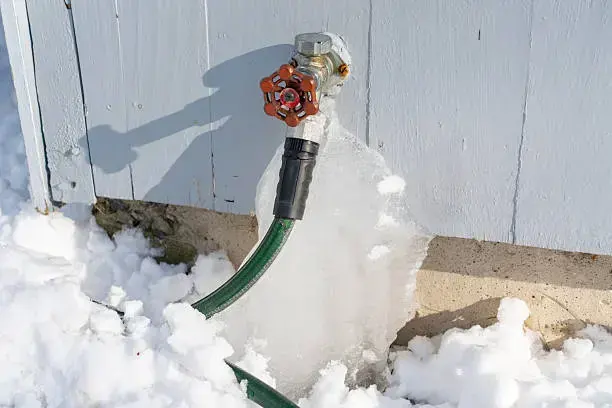
- A hose bib with the hose still attached can freeze and split inside the wall.
- South Jordan City says an eighth inch crack can release up to 250 gallons a day.
- Close the house main first, then call a crew.
From basement seepage and burst pipes to storm runoff, Draper homes and businesses get the water pulled out, the structure dried and every reading logged for the insurance claim.
(888) 558-4812Talk to a Draper water crew now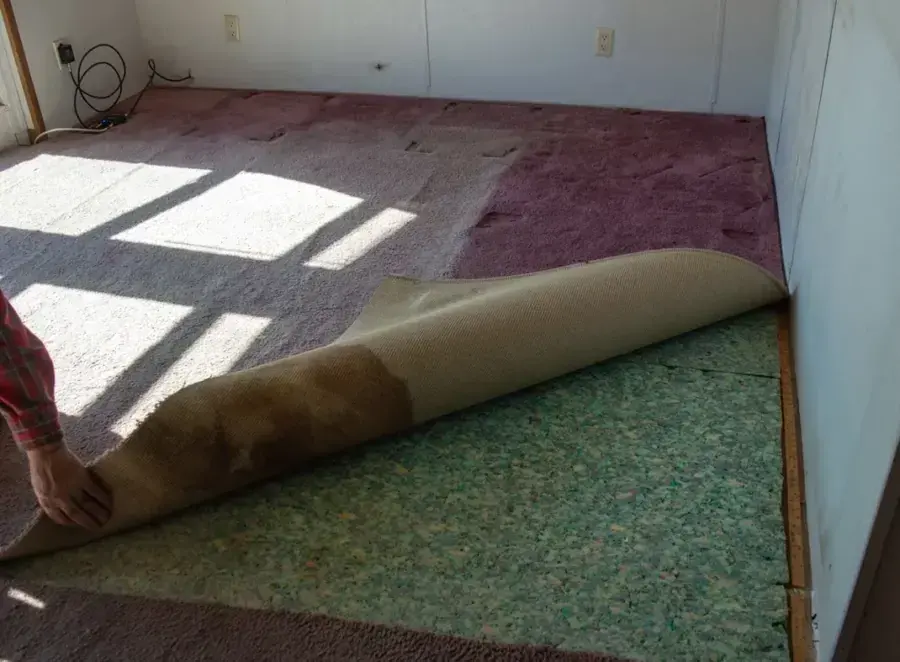
These five moves protect your family and your claim in the first stretch, before the crew starts drying.
Close the fixture valve or the house main. The valve inside the house works whichever water supplier serves the address.
Switch off breakers serving wet rooms and keep clear of standing water near outlets, cords or panels.
Move rugs, boxes and electronics to dry ground and set furniture legs on foil or blocks.
Shoot wide and close photos of the wet area, damaged belongings and the failed part before anything is moved.
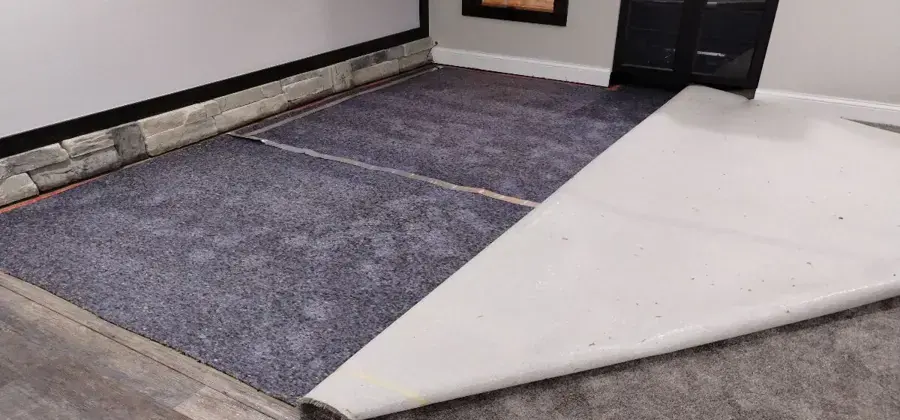
Reach the crew before pulling carpet or drywall, so wet materials get logged and the claim stays clean.
Fourteen water services cover what Draper homes and businesses see most, from failed hoses to storm runoff in basements.
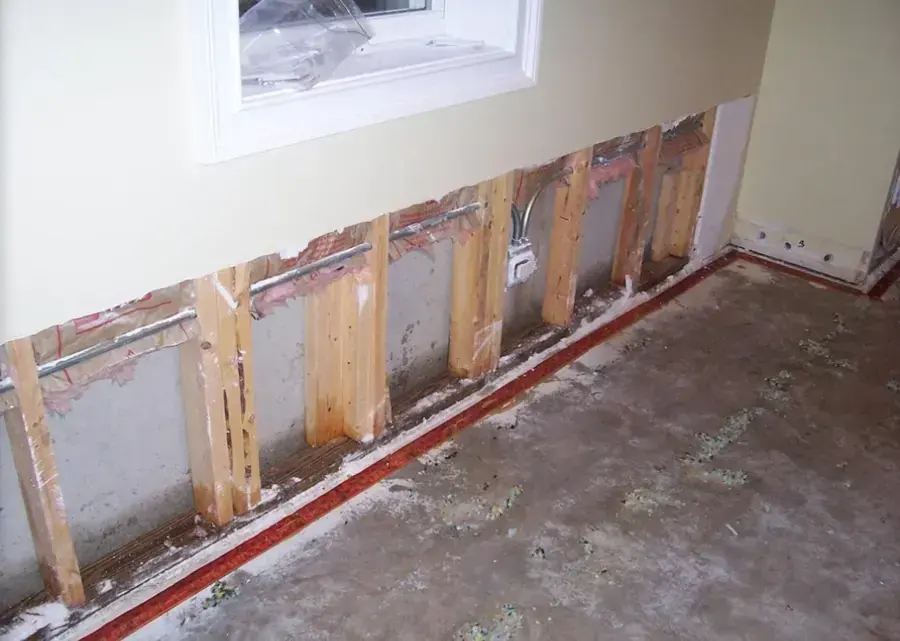
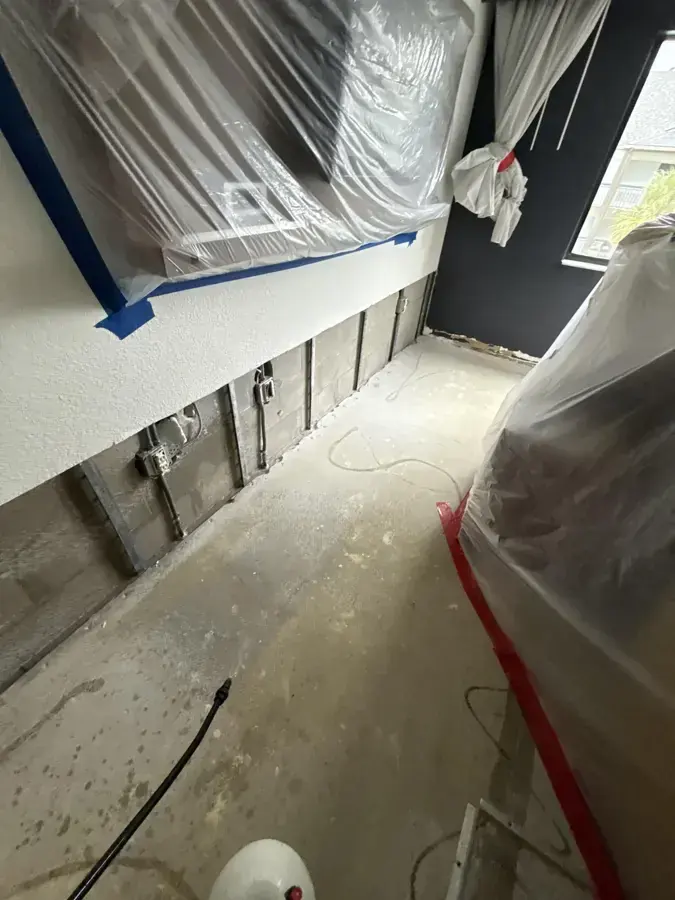
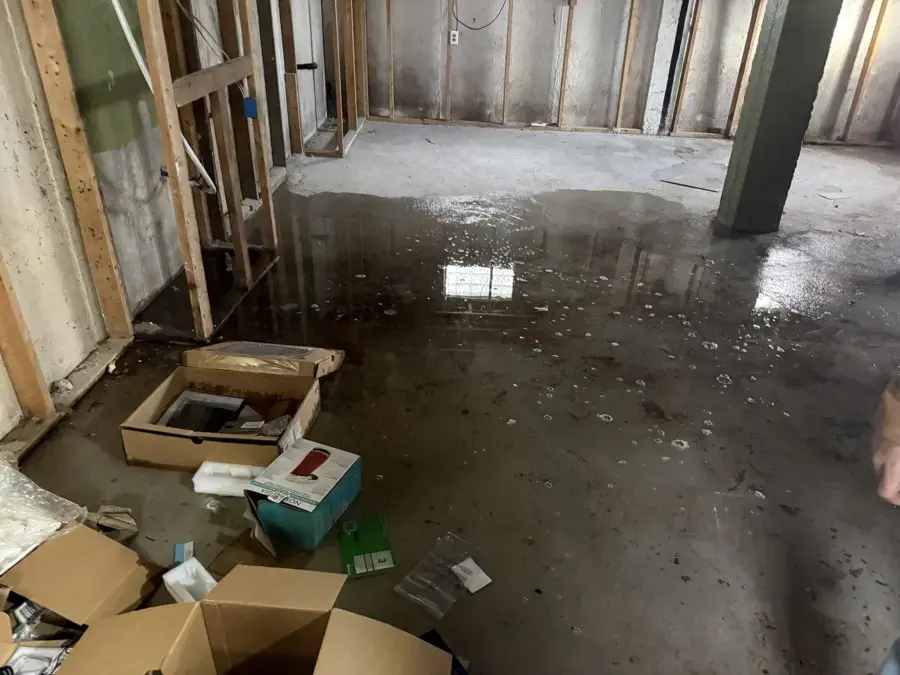
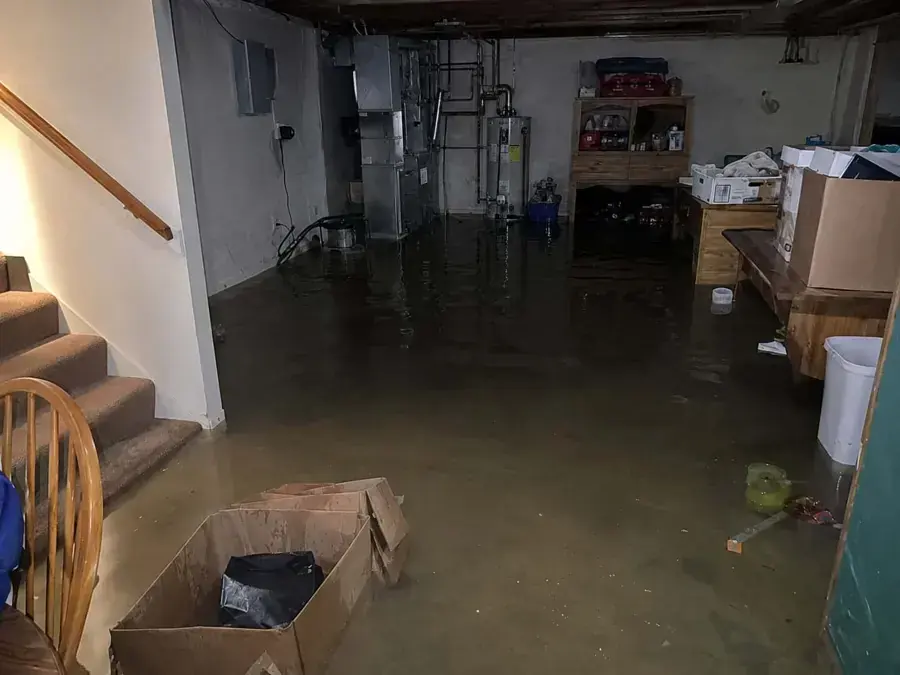 Basement Flooding CleanupStanding water extracted, soaked pad and drywall removed, concrete and framing dried.Service details
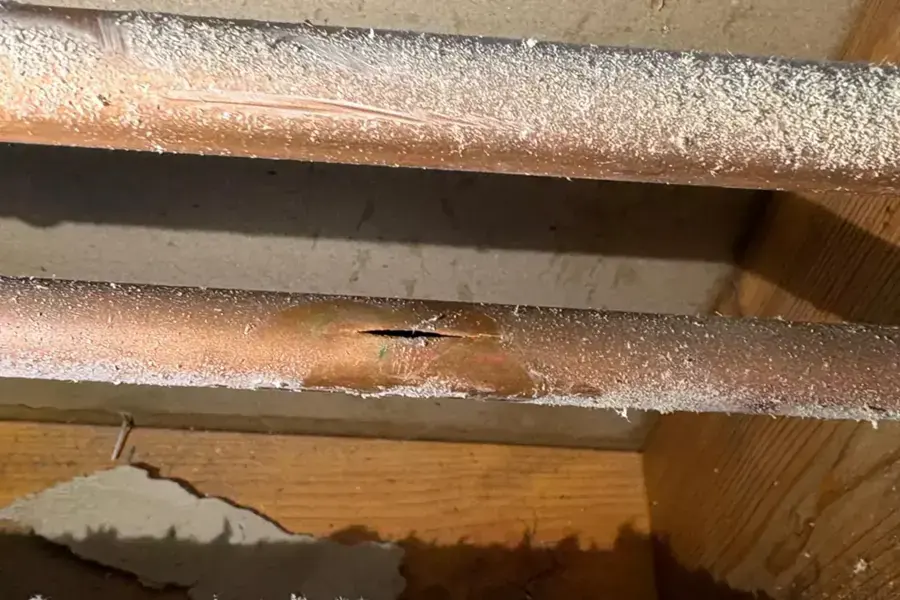 Frozen Pipe Water DamageSplit pipes after a hard freeze, with wet cavities opened, dried and documented.Service details
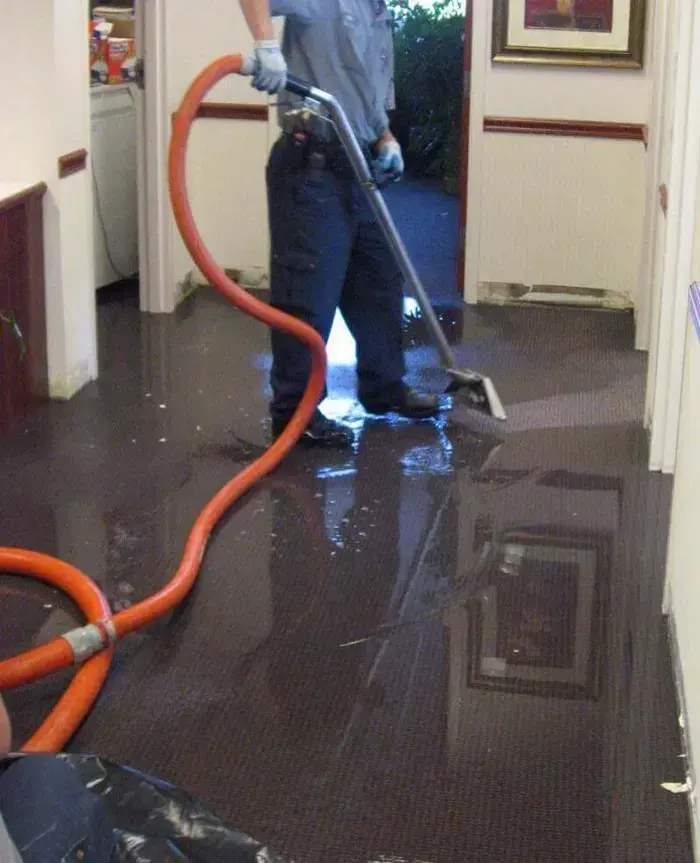 Water Extraction & RemovalTruck-mounted extraction lifts standing water off carpet and floors before it spreads.Service details
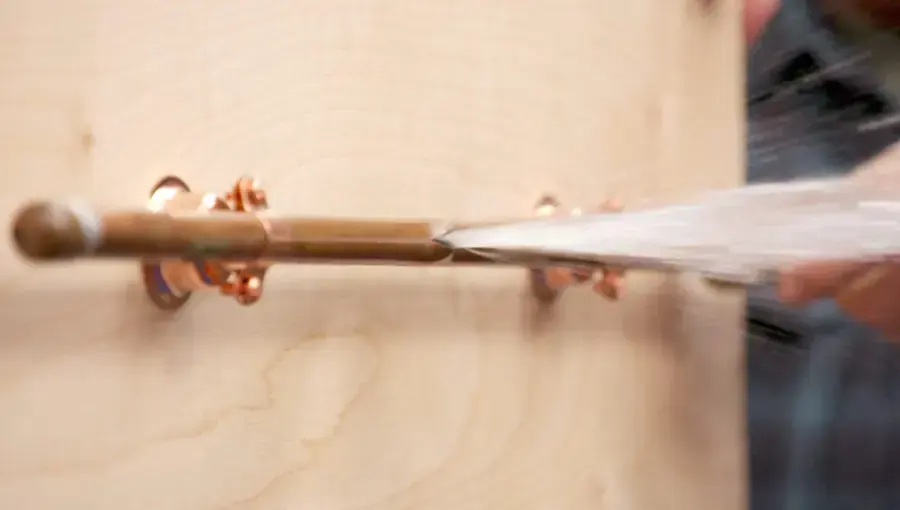 Burst Pipe CleanupWater from a split supply pipe extracted, with walls and floors dried behind it.Service details
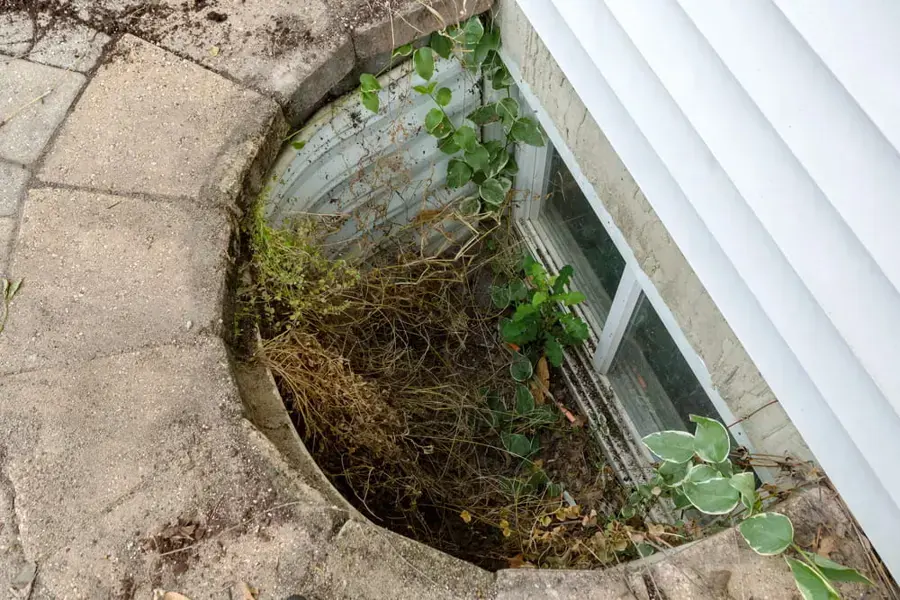
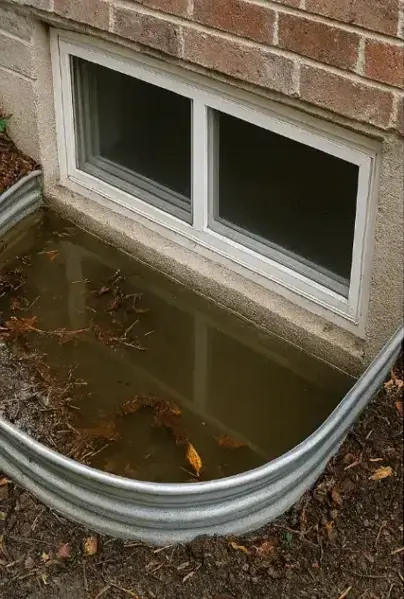 Window Well Flooding CleanupRunoff that spills through a window well, dried along the wall and floor.Service details
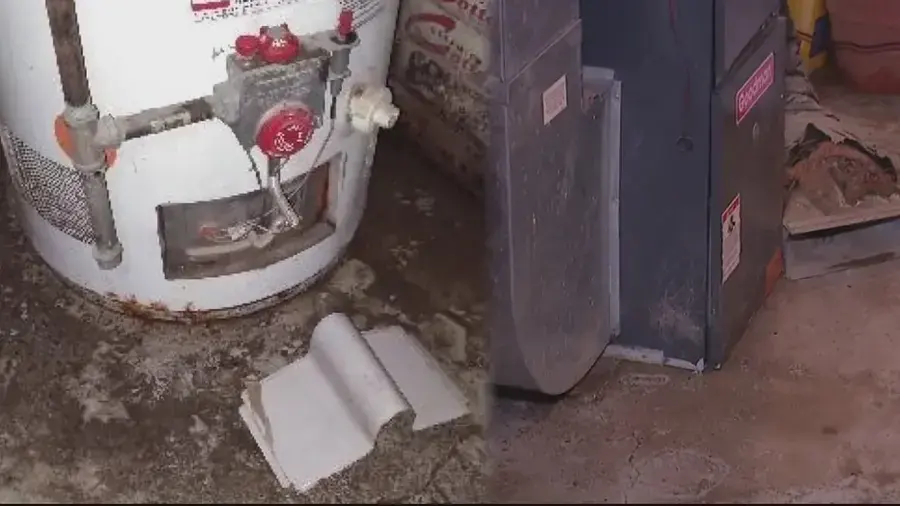 Water Heater Leak CleanupA failed tank or fitting dried out, utility room and beyond.Service details
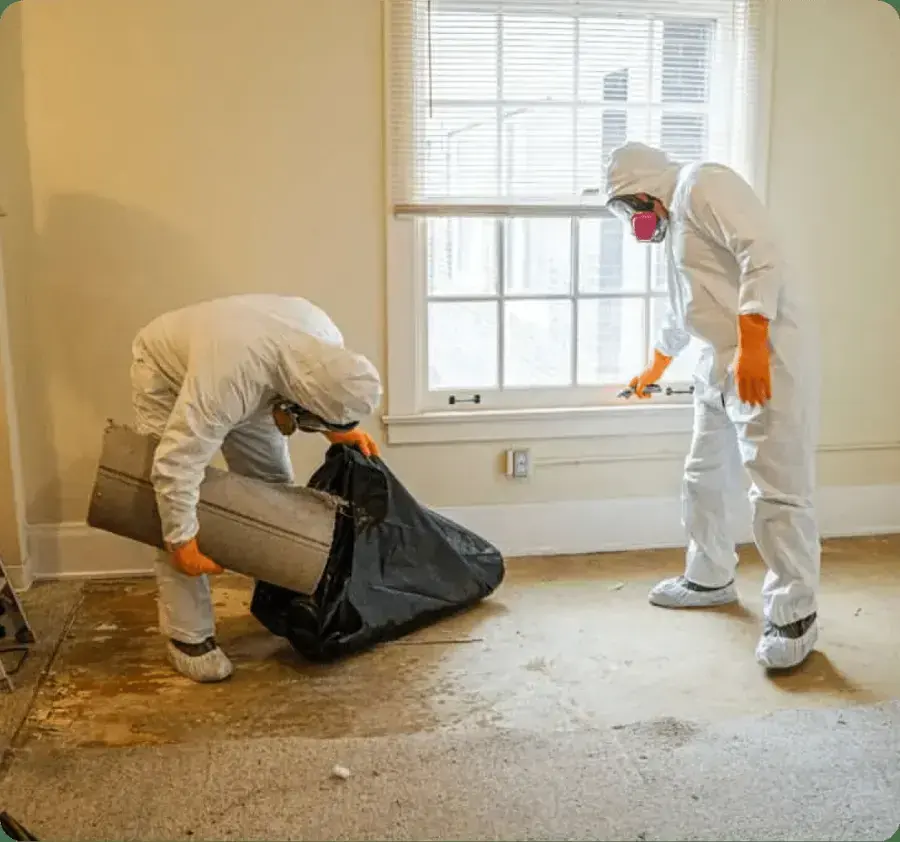 Sewage Backup CleanupContaminated water removed, porous materials discarded, surfaces cleaned and treated, air scrubbed.Service details
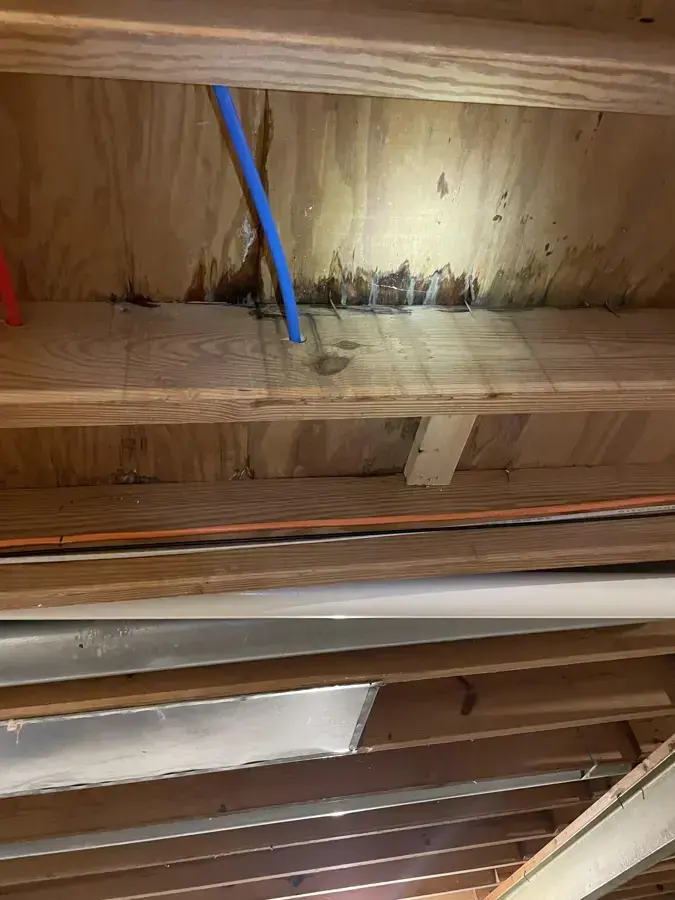 Ceiling Leak Water DamageLeaks traced above the stain, wet ceiling opened and dried before it sags.Service details
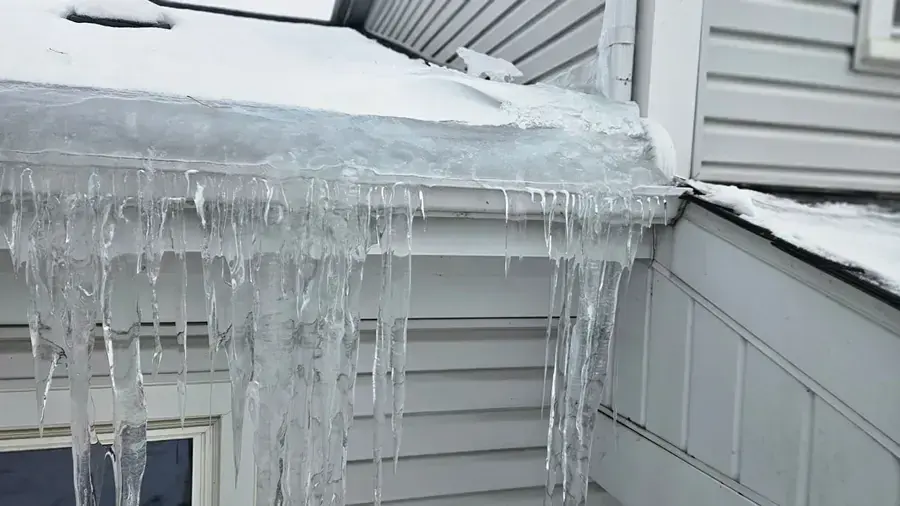 Roof Leak & Ice Dam DamageWinter melt or summer storm water found in the attic, insulation and ceilings dried.Service details
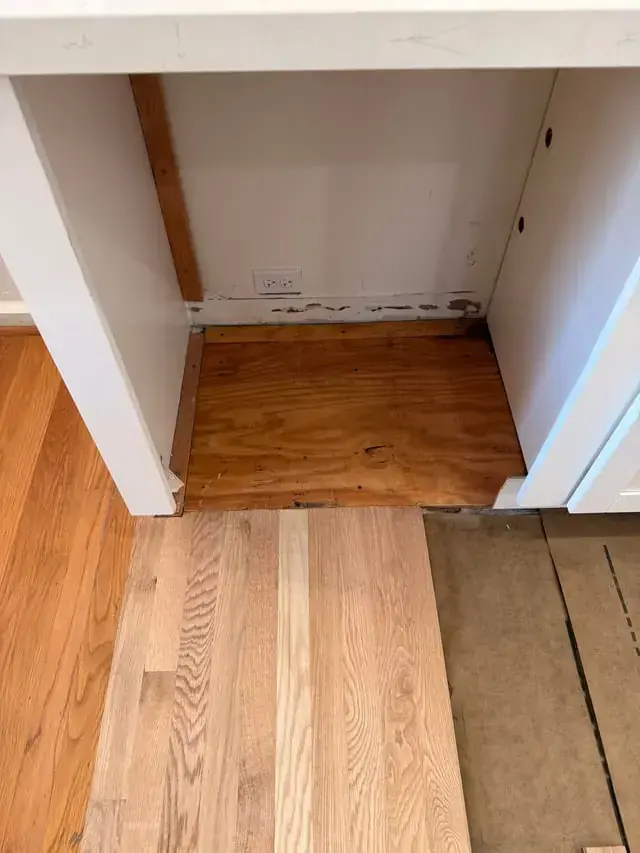 Appliance Leak CleanupDishwasher, washer and refrigerator leaks dried out beneath cabinets and flooring.Service details
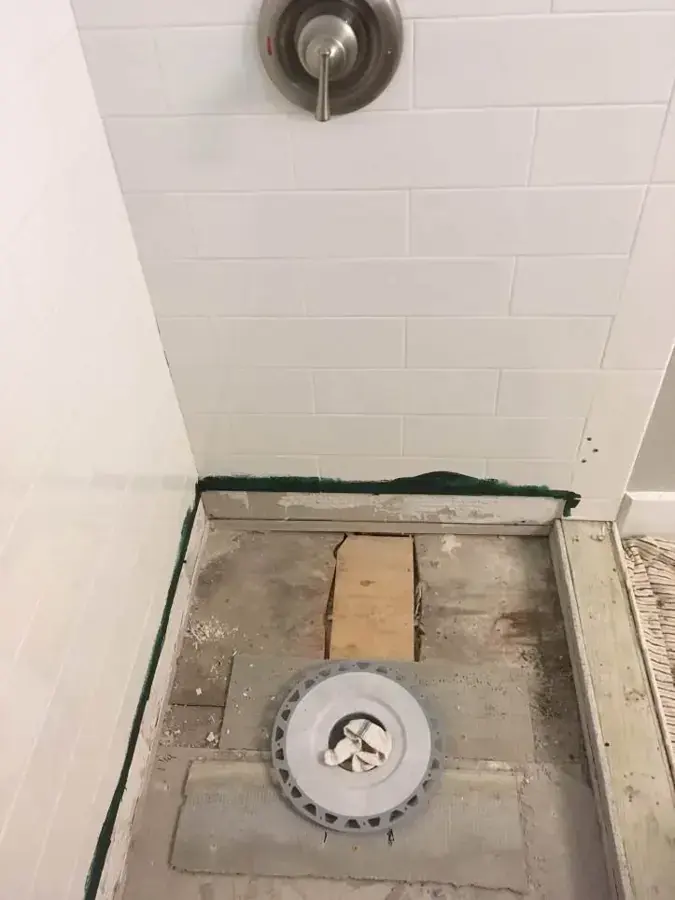 Bathroom & Shower Leak DamageShower pan, tub and toilet leaks traced, with wet subfloor and walls dried.Service details
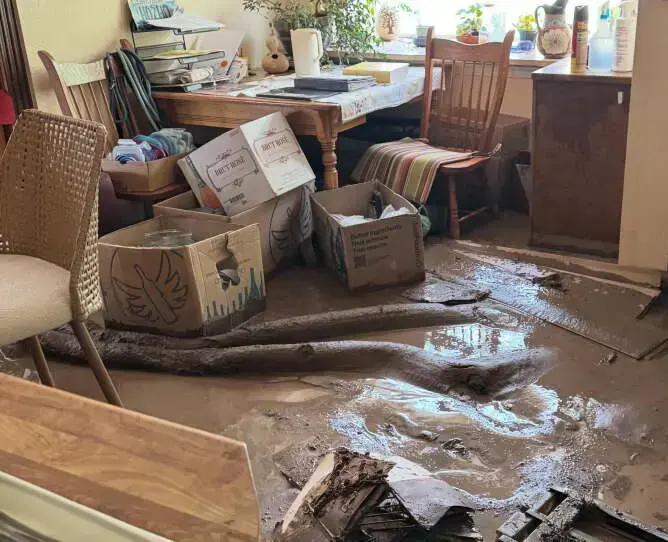 Flash Flood & Storm Runoff CleanupMud and storm runoff removed from garages and lower levels, then treated and dried.Service details
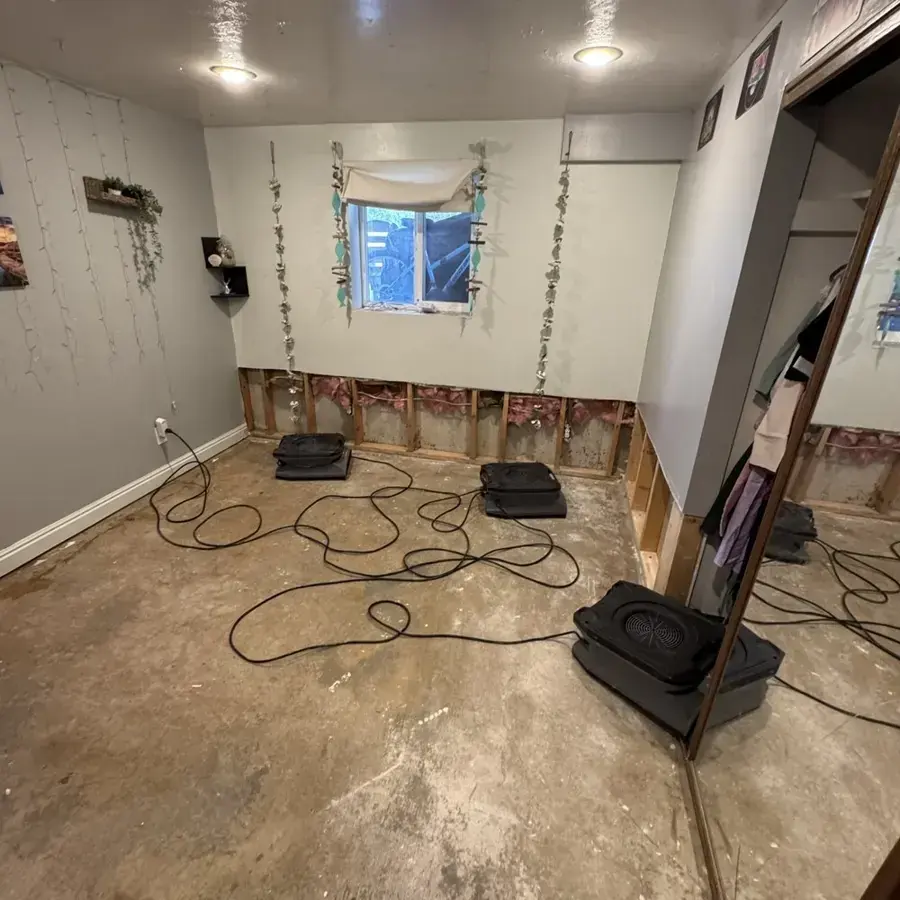 Structural Drying & DehumidificationAir movers and dehumidifiers dry walls, floors and framing to a measured target.Service details
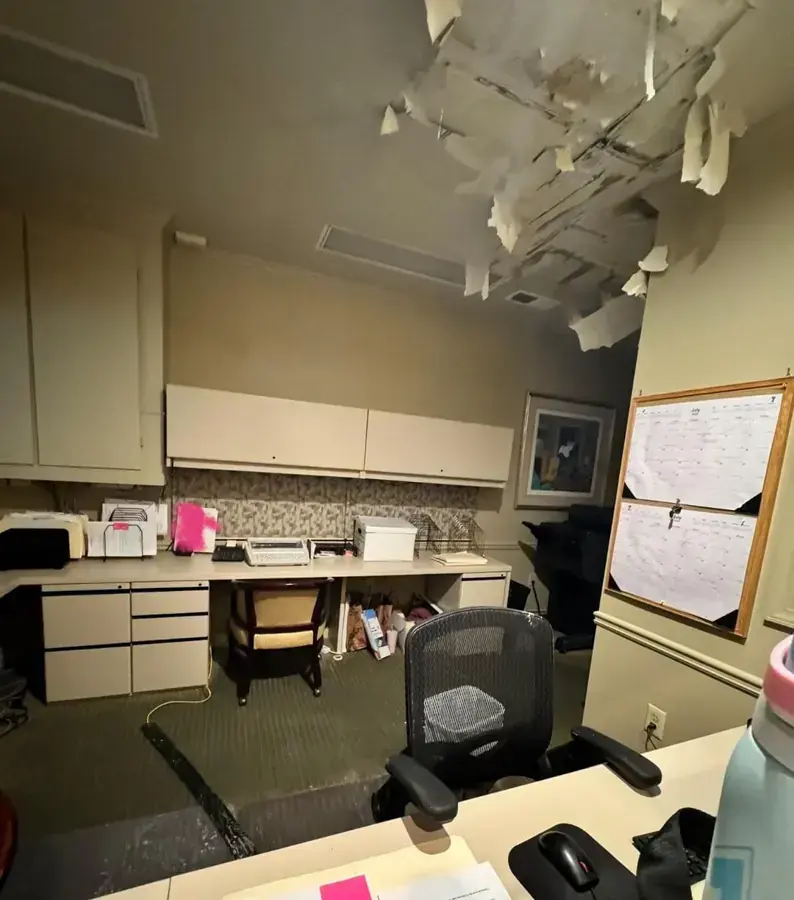 Commercial Water DamageShops, offices and multi-unit buildings dried in phases with tenant records.Service details
Every job follows one method, whether the water came from a hose, a storm or a drain.
Draper jobs are staffed around the clock, with crews who know the hillside roads and the valley streets.
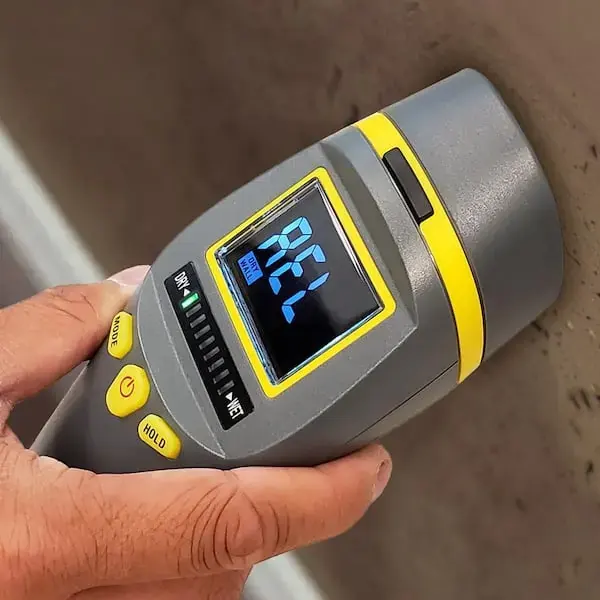
Meters and thermal cameras find the wet materials before anything is torn out, so only ruined pieces come out.
Photos, moisture logs and equipment records stay together in one file the adjuster can follow.
Crews plan around two Draper water suppliers, a district sewer main and storm runoff in basements.
Six places in and around a house start many water losses.
A slow drain or supply leak upstairs can soak the ceiling below.
Melt backing up behind ice, or a summer storm, can wet the attic and ceilings.
A hose left on through a cold snap can freeze and split inside the wall.
A corroded tank or loose fitting can empty onto the floor and wick into walls.
Runoff collecting beside a basement window can spill over the sill into the room.
When a drain or sewer main backs up, the floor drain is where it shows first.
A surface can feel dry while framing is still wet, so the crew measures, sets equipment by the readings and keeps measuring.
Pin and pinless meters plus an infrared camera trace the wet edge through walls, floors and ceilings.
Truck-mounted extraction lifts the bulk of it before the drying phase begins.
Air movers and LGR dehumidifiers are set by room size and wet area, then adjusted as readings fall.
Readings continue until every material matches its dry reference, and only then is the equipment removed.
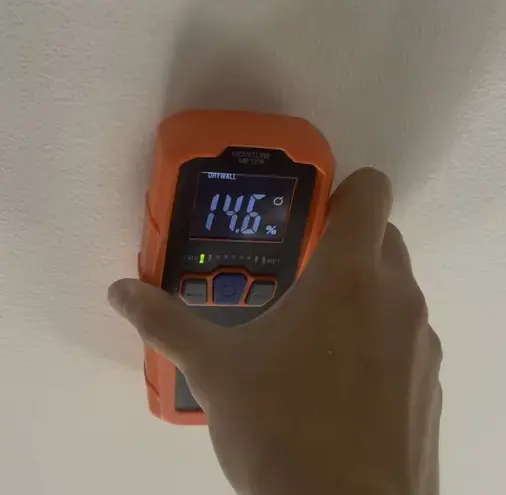
The target is a reading that matches an unaffected wall or floor in the same house, so the log shows each material reaching its own dry goal before any equipment leaves.
Snow usually falls in Draper from November through March, and homeowners reported snowmelt in basements in April 2023.
Category decides the method, the gear and what gets discarded.
Supply pipes and tanks release clean water at first, but time and contact with building materials change that.
Burst pipe cleanupDishwasher, washer and overflow water carries bacteria, so wet pad and porous materials usually come out.
Appliance leak cleanupSewage and storm runoff carry pathogens, so porous materials go and the area is cleaned under containment.
Sewage backup cleanupMost Draper jobs land between roughly $1,100 and $25,000, depending on the water category, how much of the house got wet and how long it sat. A finished basement costs more than a bare utility room, and sewage backup cleanup sits at the top.
Ranges are typical, not quotes. Water category, scope and materials set the final figure after first readings.
After the August 2023 storm, Draper's City Manager told owners with private damage to work with their insurers first.
Check the policy for water and sewer backup coverage, which is usually sold separately.
Photograph damage before anything moves, keep damaged items until the adjuster has seen them, and ask the crew for the moisture log recording every reading from day one.
Basement flooding cleanup in Draper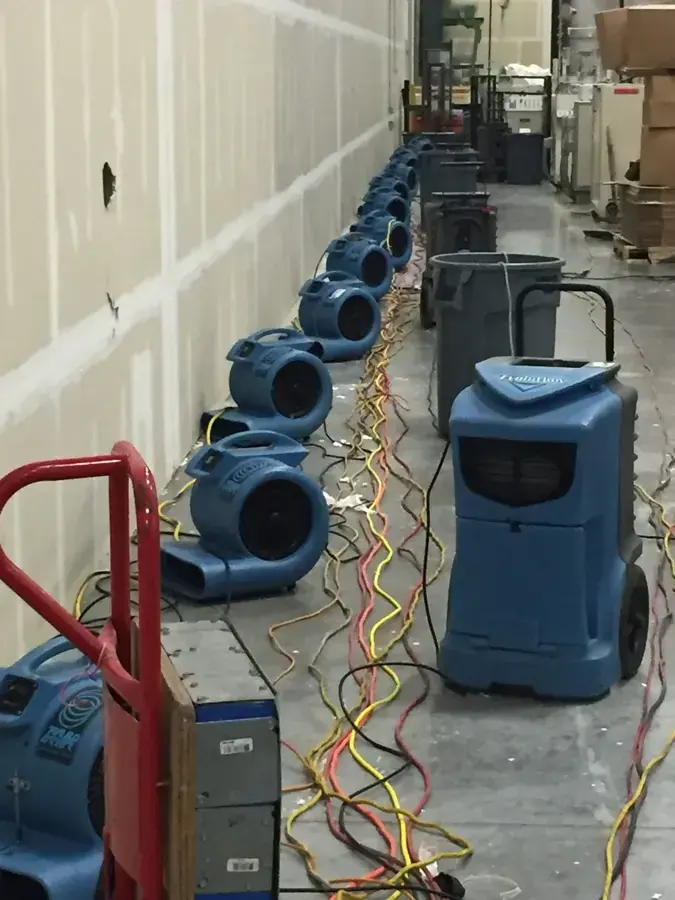
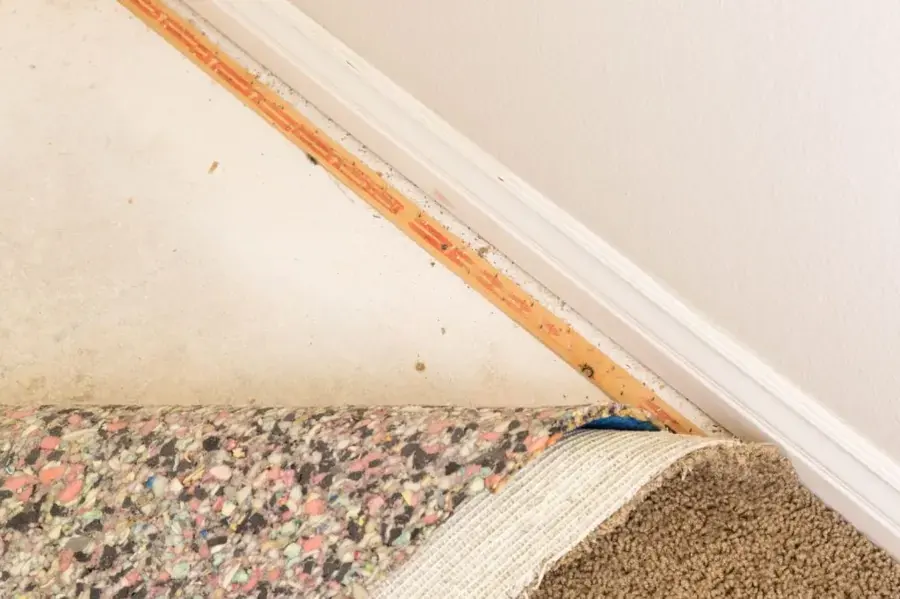
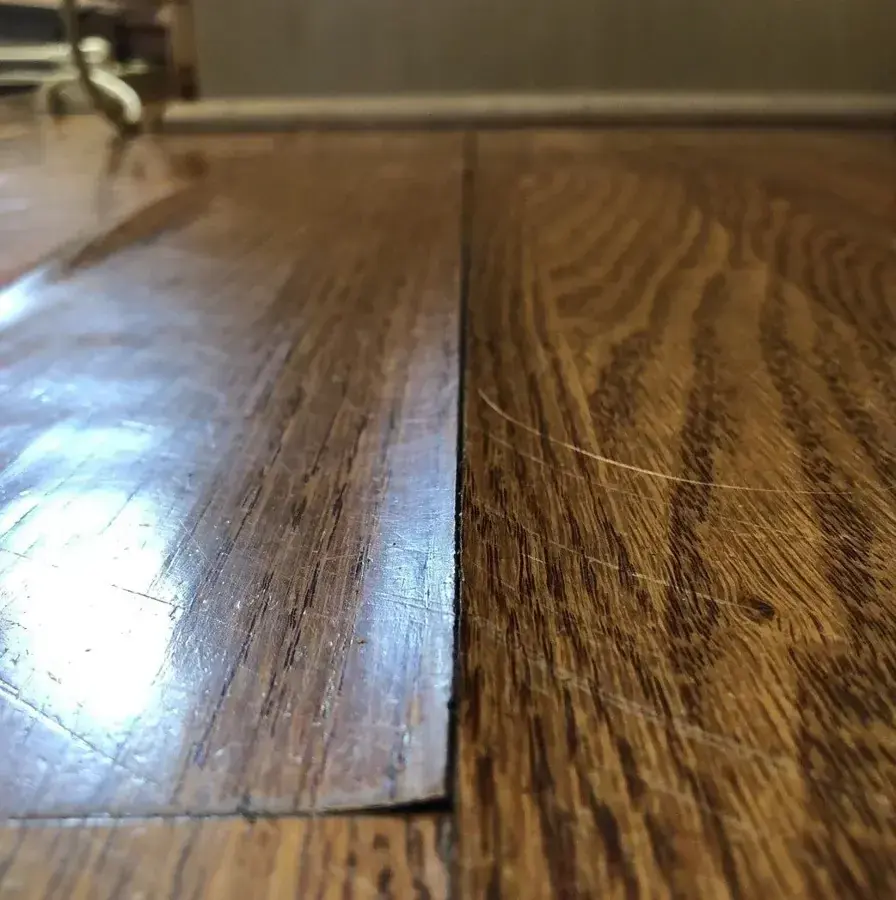
Crews work across Draper, from the Point of the Mountain to the Traverse Ridge hillsides, in Salt Lake County and Utah County.
Riverton, Bluffdale and South Jordan border Draper and share Jordan Basin Improvement District for sewer service, and the same crews cover all three cities.
(888) 558-4812See Riverton and the other service areasHillside streets above the valley floor, where the same crews handle roof, gutter, window well and basement losses.
Homes in and around both areas, where crews handle supply leaks, appliance failures and storm runoff.
In January 2023, residents told KSL that 14 to 20 houses had water inside after rainstorms.
Shopping center and corridor businesses, where an October 2025 sewer failure led health officials to ask some to close, though no homes were affected.
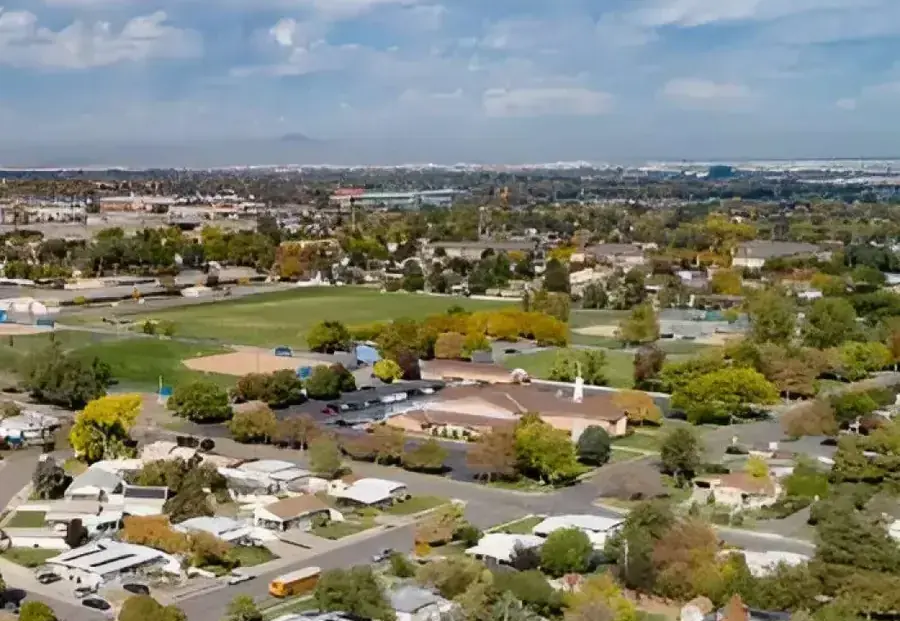
Draper sits at the Point of the Mountain with the Wasatch Mountains to the east, and recent years brought storm flooding, snowmelt in basements and a sewer failure that disrupted businesses.
Draper has two water systems, one run by Draper City and one by WaterPro/Draper Irrigation Co., so the supplier depends on the address. Check a water bill before reporting a leak outside the house.
Jordan Basin Improvement District says it is responsible only for its own main, not the private pipe that connects a house to that main. Water standing in the cleanout points to a blockage most likely on the private side. See sewage backup cleanup for the cleanup itself.
An intense monsoon storm hit Draper on August 3, 2023, and Mayor Troy Walker issued a state of emergency that night. Part of Bangerter Parkway washed away, and Minuteman Drive flooded with standing water, mud and debris.
Mold can start growing in 24 to 48 hours on wet materials, which is why soaked pad and drywall come out early and the drying equipment runs right away.
The sewer district notes that water and sewer backup coverage is usually sold on its own, apart from a standard homeowner policy, so read yours before filing and photograph everything before cleanup.
Drying usually runs several days, but the readings decide. Equipment stays until walls, floors and framing match a dry reference, and the daily log shows when that happens. Details are on the structural drying page.
About 91 percent of Draper housing units were built in 1990 or later, so pipe age is rarely the whole story. Supply hoses, fittings, appliance parts and storm runoff cause plenty of losses.
About 31 percent of occupied Draper homes are rented and about 22 percent of housing units sit in buildings with two or more units, so a landlord, an HOA or a neighbor above may be part of the claim.
Draper City's Building Division takes permits through an online portal and lists a submittal checklist for basements. Ask the division what a rebuild needs before work starts.
The crew contains the spread, removes what cannot dry, dries the rest to measured targets and hands over the records an adjuster needs, for homes and businesses across Draper.