Frozen pipes and the thaw
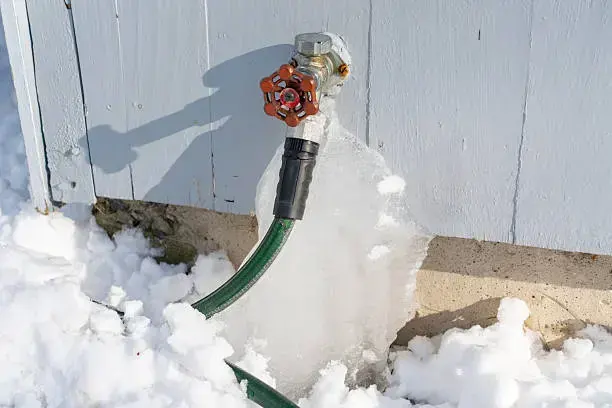
- A hose left on an outside faucet can trap water that freezes and splits the pipe.
- Nearby South Jordan City says an eighth-inch crack can release up to 250 gallons a day.
- The leak often shows up only after the pipe thaws.
24/7 water damage restoration in Bluffdale, UT. The restoration crew pulls out standing water, dries the house to the IICRC S500 standard and keeps a dated record of each step for your insurance claim.
(888) 558-4812Water in a Bluffdale basement? Call the crew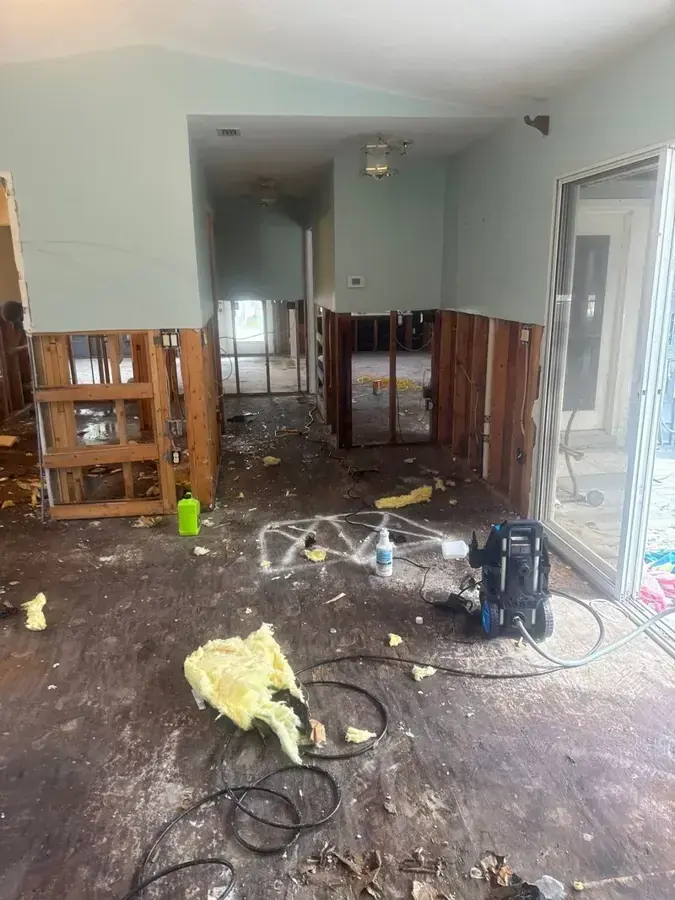
Five things to do in the first hour at a Bluffdale home, people first and the claim file last.
Close the main water valve. If a drain is backing up, stop using all water, which generally halts a backup from the house plumbing.
Turn off breakers for wet rooms only from a dry spot, never while standing in water.
If the home has one, make sure it runs. The City asked owners near the Jordan River to test theirs in March 2024.
Dated photos of every wet wall, floor and item start the claim file.
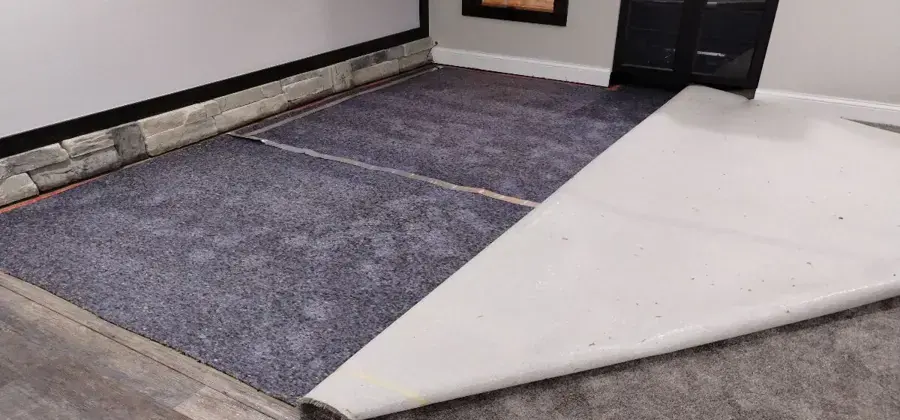
Drywall and carpet pad keep wicking water, and mold can start in 24 to 48 hours.
Water and sewage only, from the first gallon pulled out of a Bluffdale home to the last moisture reading on the log.
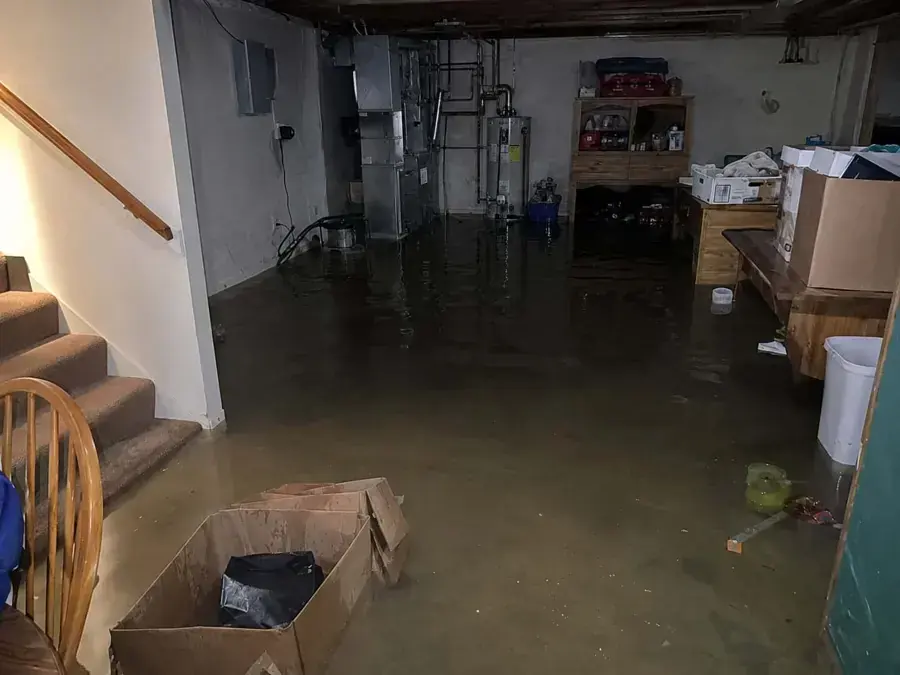 Basement Flooding CleanupWet basements dried out, including homes near the river after high water and snowmelt.Service details
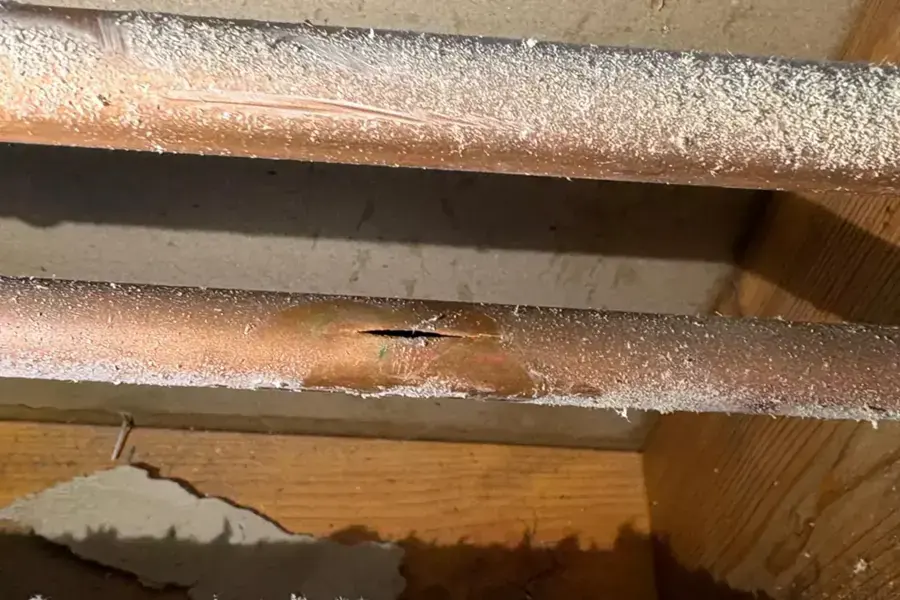 Frozen Pipe Water DamagePipes that split in a hard freeze, traced and dried once they thaw.Service details
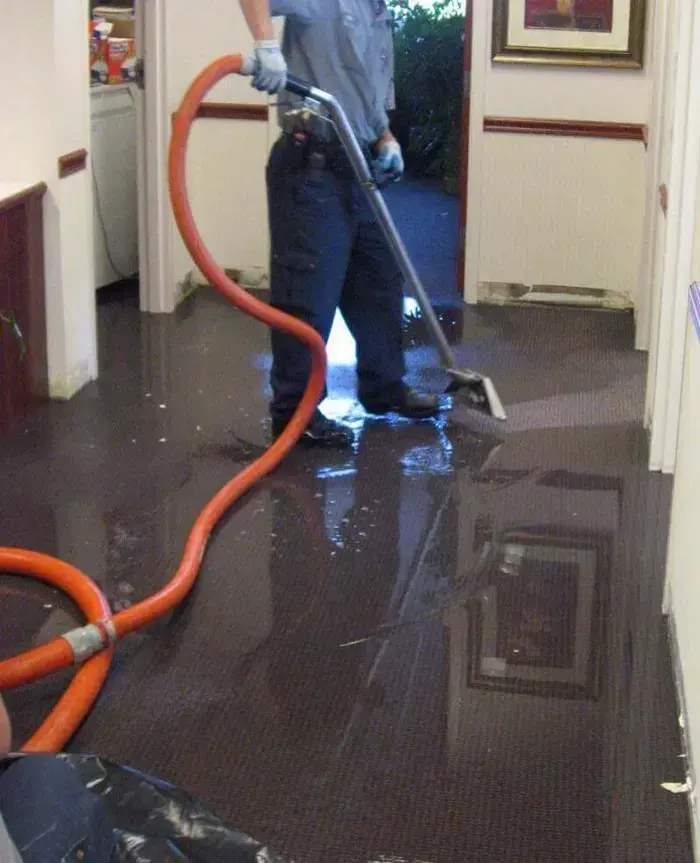 Water Extraction & RemovalStanding water from leaks, canal overflow or storm runoff pulled out first.Service details
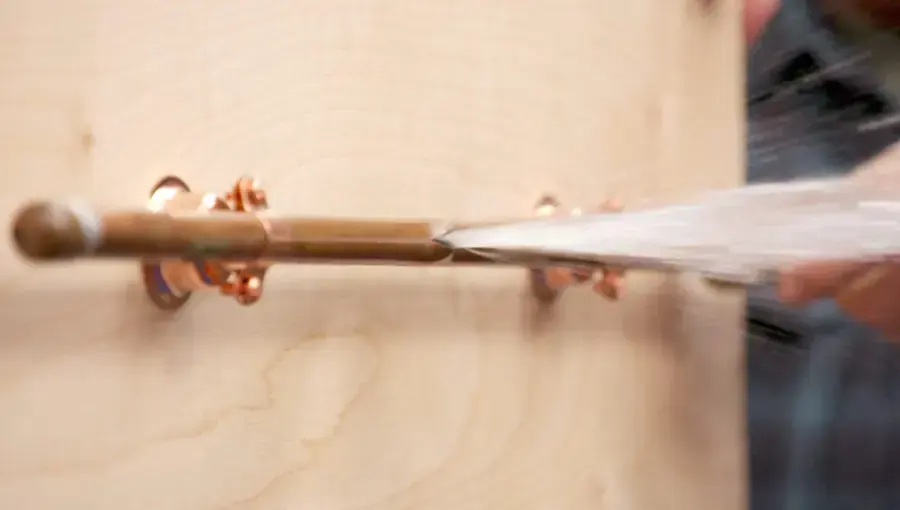 Burst Pipe CleanupCracked supply pipes and failed fittings, traced through walls and ceilings and dried.Service details
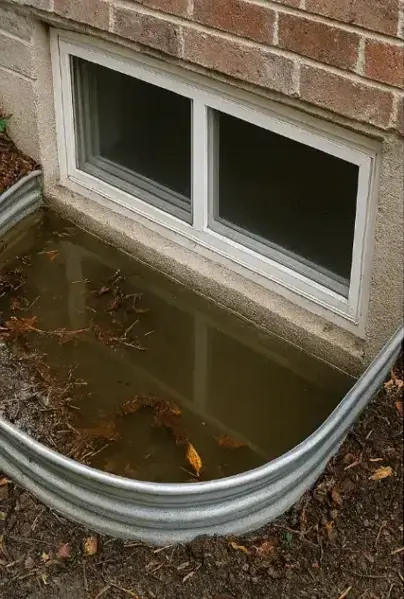 Window Well Flooding CleanupWater that fills a window well and pushes through a basement window.Service details
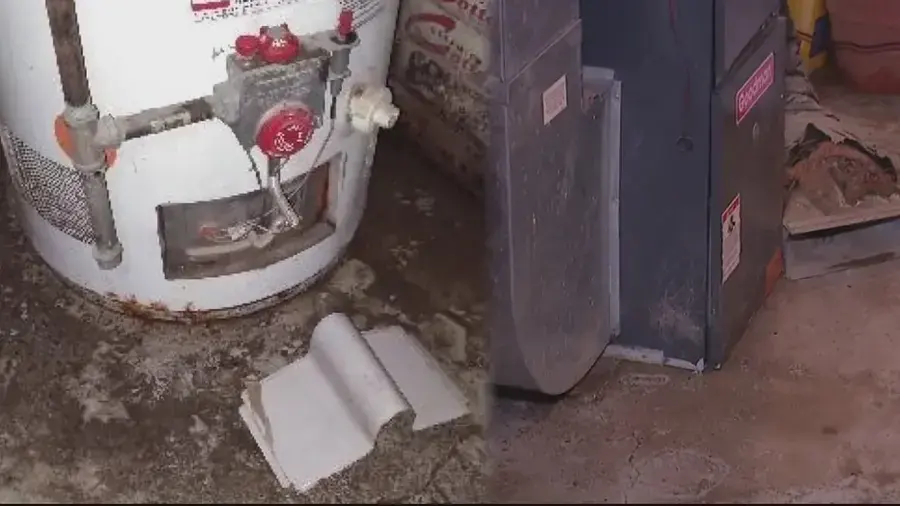 Water Heater Leak CleanupFailed tanks shut off, with the water extracted from floors and walls.Service details
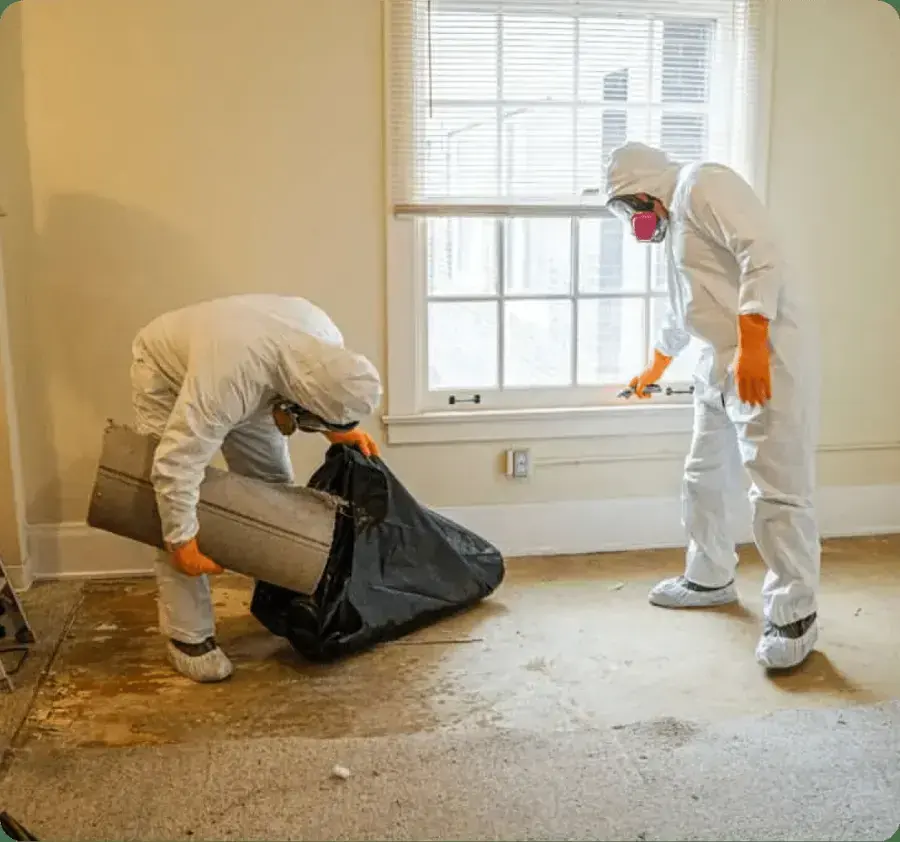 Sewage Backup CleanupBackups from the private service line handled as Category 3.Service details
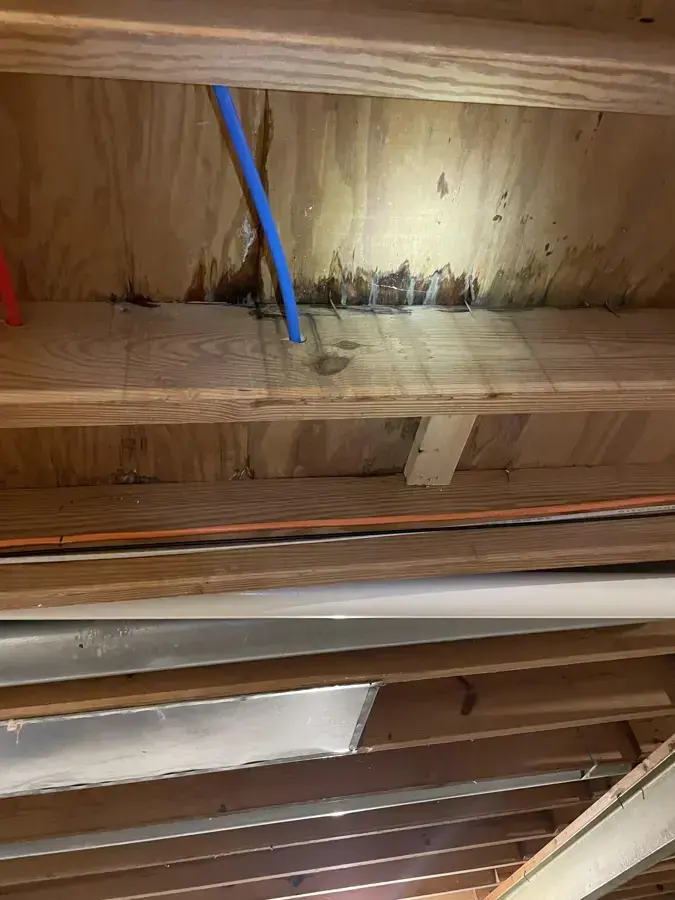 Ceiling Leak Water DamageUpstairs leaks traced, ceilings opened and the cavity dried, including stacked units.Service details
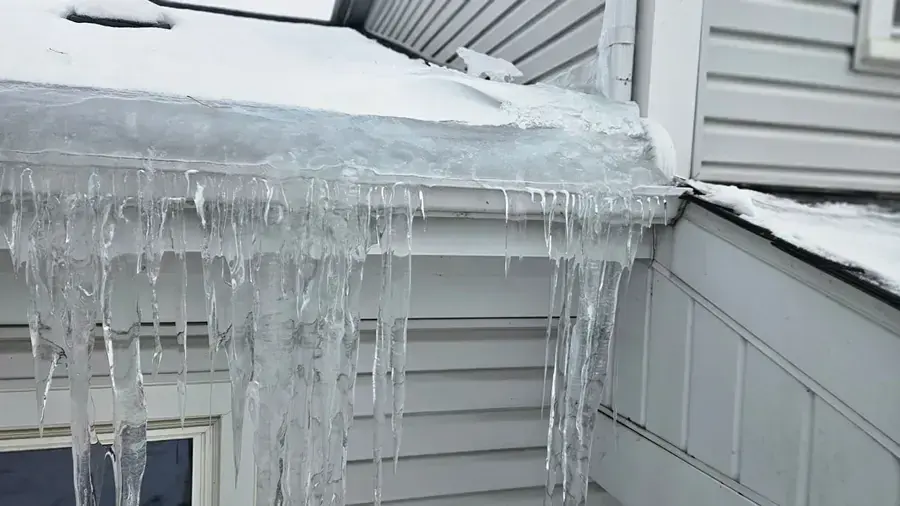 Roof Leak & Ice Dam DamageRoof leaks after heavy rain and snowmelt, with the attic and ceilings dried.Service details
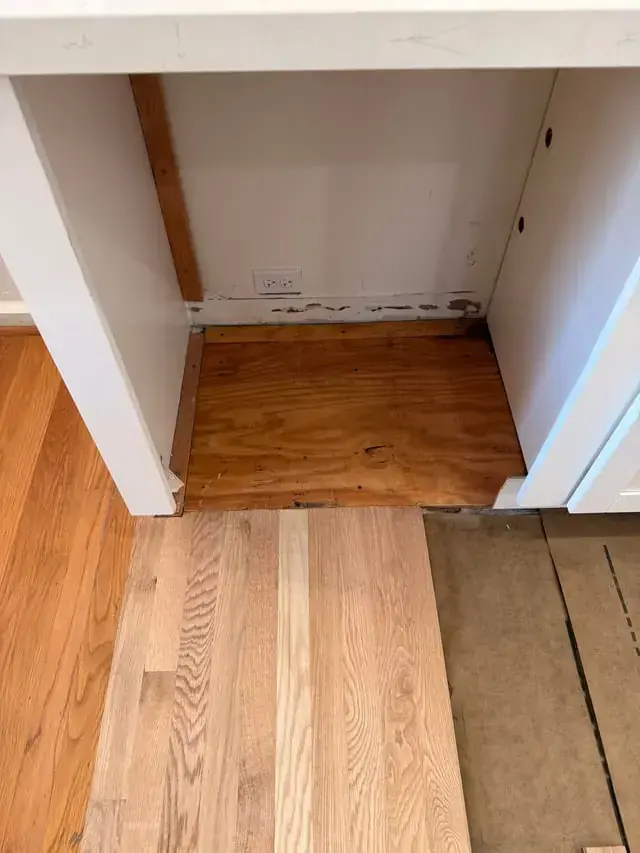 Appliance Leak CleanupWasher, dishwasher and supply hose leaks that soak floors and cabinets.Service details
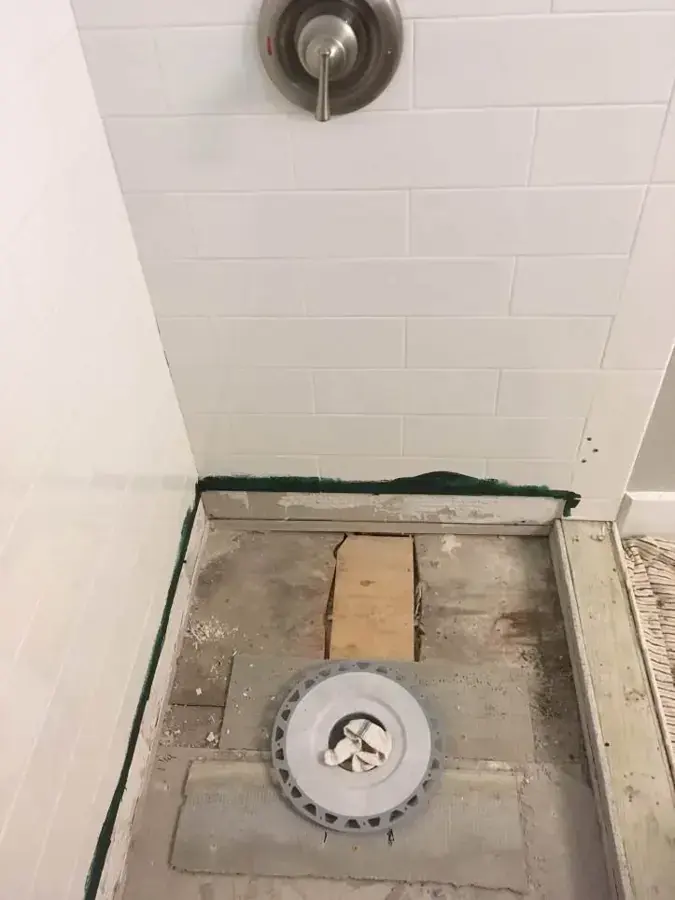 Bathroom & Shower Leak DamageShower, tub and toilet leaks that soak the subfloor and the room below.Service details
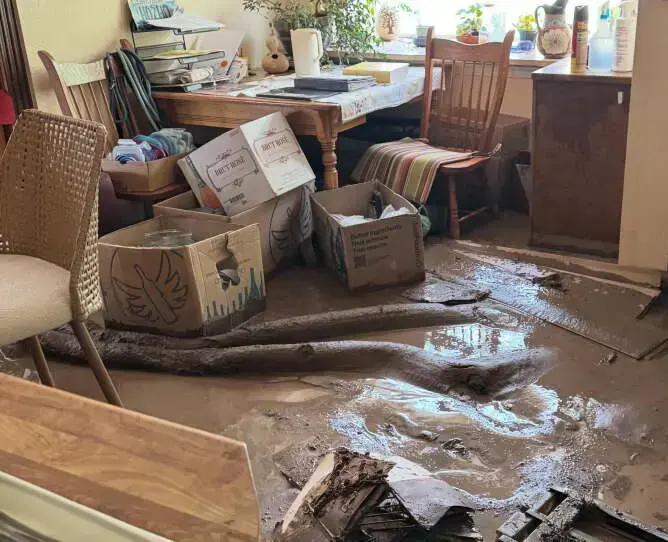 Flash Flood & Storm Runoff CleanupCloudburst runoff from Rose Creek and the hollows, treated as contaminated.Service details
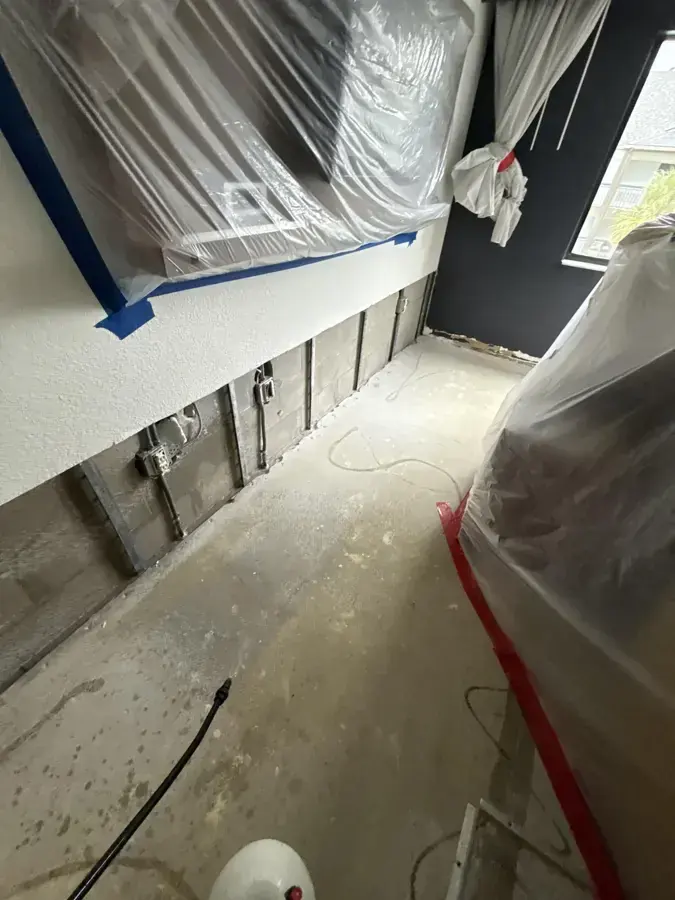
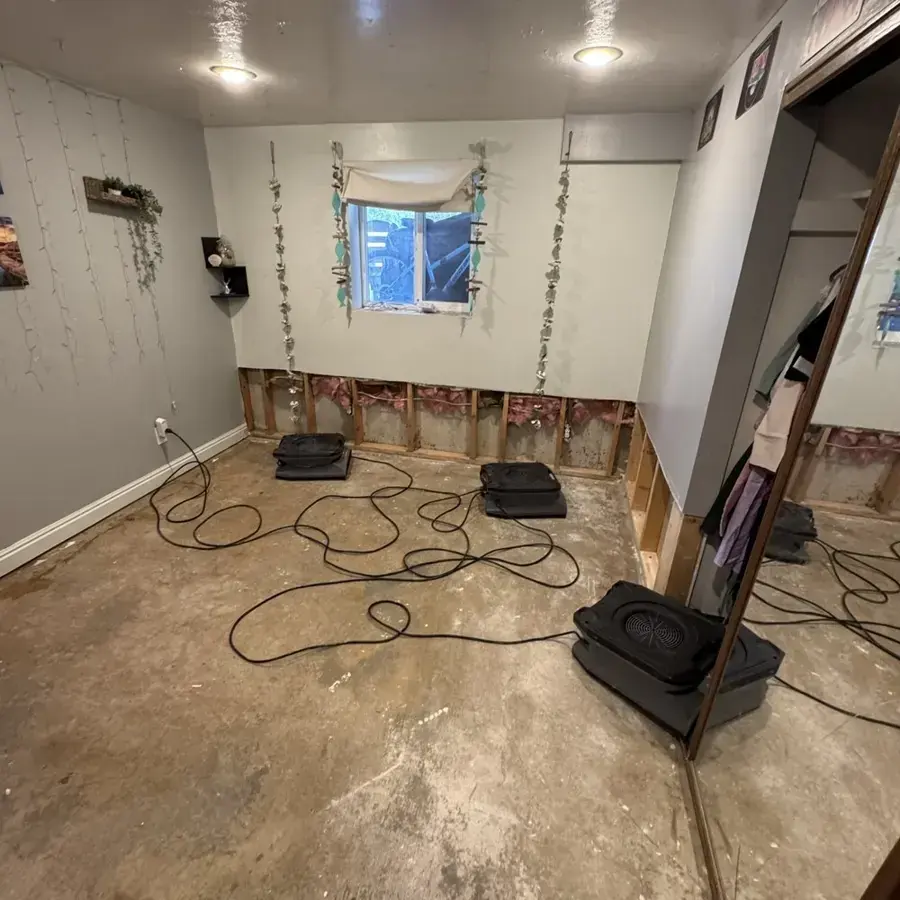 Structural Drying & DehumidificationStuds, subfloors and concrete dried until readings match a dry reference.Service details
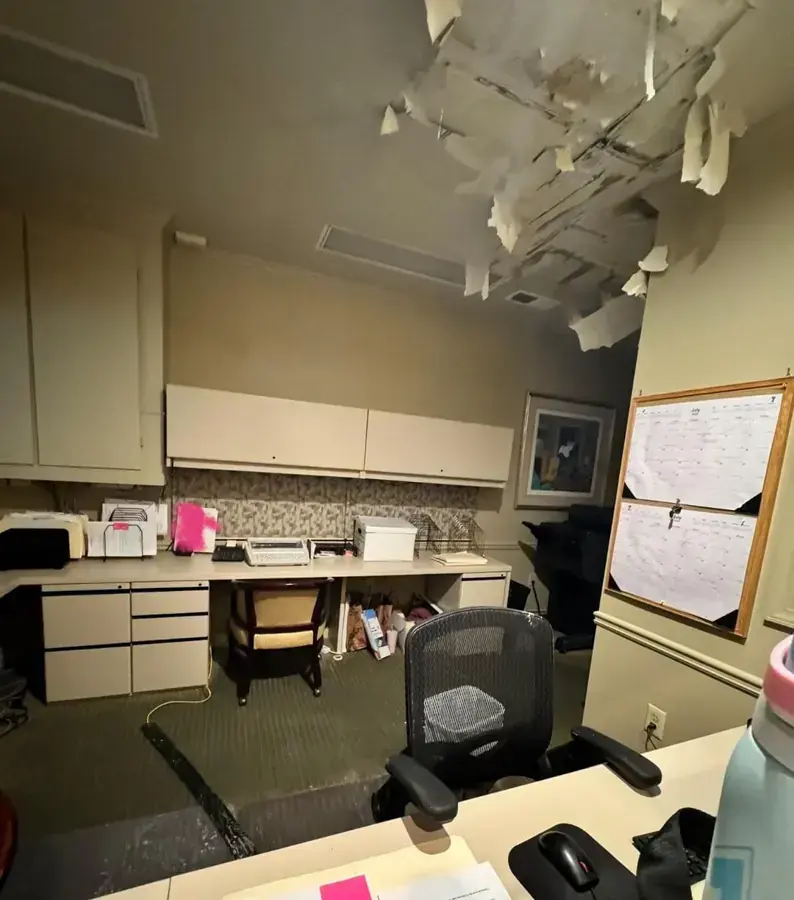 Commercial Water DamageShops, schools and industrial sites dried in phases to limit downtime.Service details
Four habits that separate a measured dry-out from fans left running in a wet room.
Dispatch runs 24/7 for Bluffdale, from Spring View by the river to the homes along Porter Rockwell Boulevard.
Each room gets air movers and LGR dehumidifiers matched to its class of loss, with readings taken every day.
A moisture map, daily drying logs and dated photos taken before anything is removed.
The Jordan River, Rose Creek, four main canals and finished basements shape the losses here.
In a two-story home with a basement, water damage starts in six places.
A supply or drain leak soaks the floor system and shows on the ceiling below.
Snowmelt that backs up at the eaves runs into the attic and the top of the walls.
A pipe that freezes can split and then leak after it thaws.
A tank that fails puts water on the utility room floor and under nearby walls.
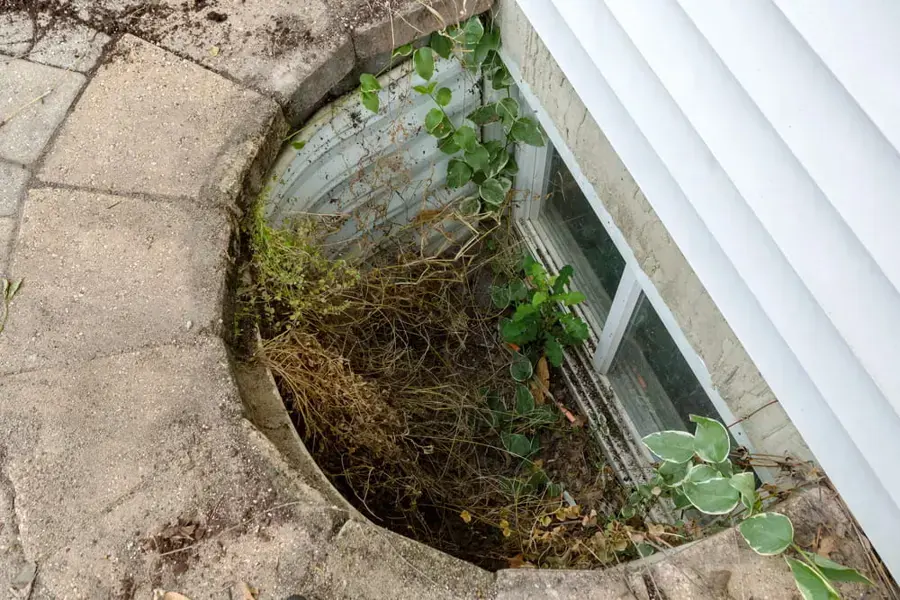
Runoff and snowmelt fill the well and push water past the window frame.
A blockage between the house and the sewer main sends water up the lowest drain.
Surface drying is not enough. Equipment in a Bluffdale home runs until the meters read dry, whatever the room looks like.
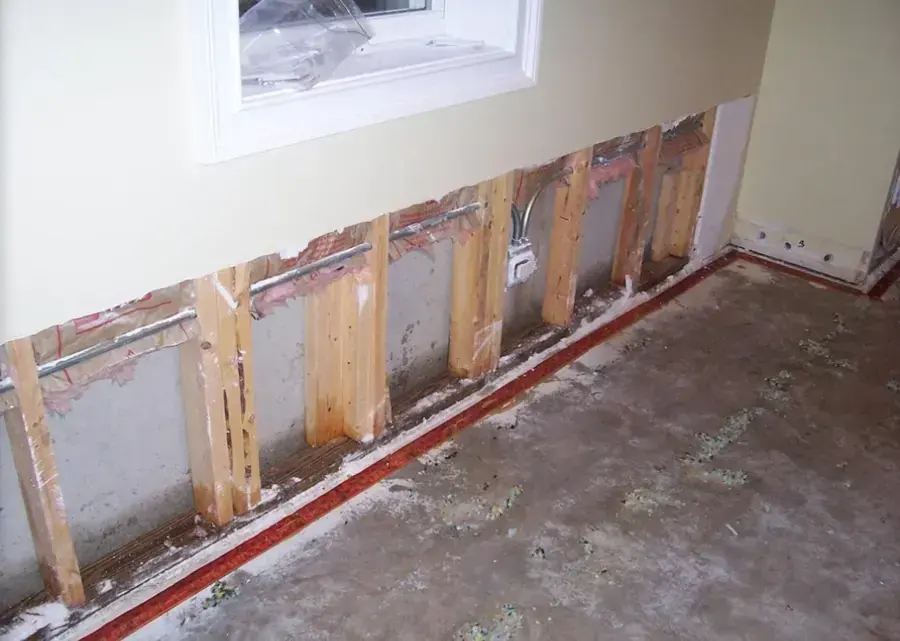
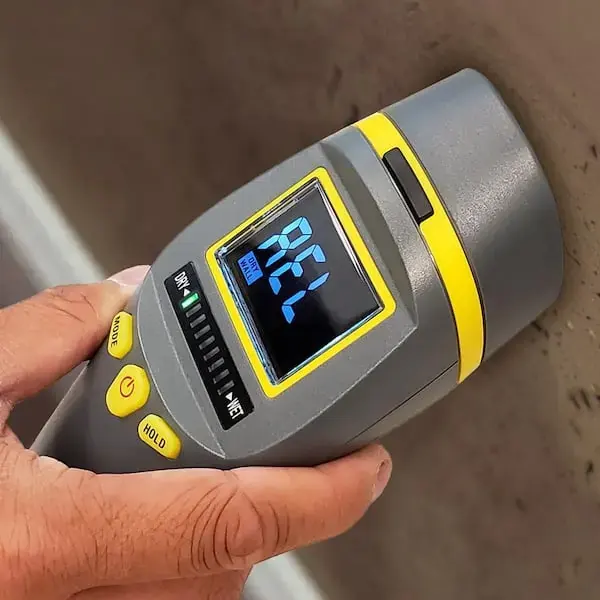
Before any equipment goes down, the tech who does the walkthrough reads walls and floors with meters and a thermal camera.
Truck-mounted units remove standing water so it leaves the house instead of soaking in.
Air movers sweep each wet surface, and LGR dehumidifiers take that moisture out of the room.
Readings repeat daily until every material sits 2 to 4 points from a dry reference.
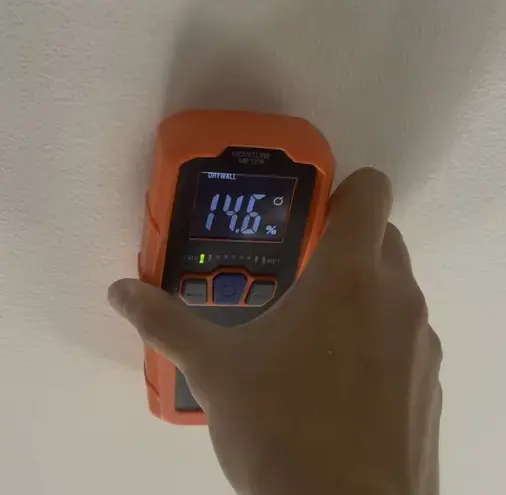
A matching material in a room the water never touched sets the target. Once each wet material reads within 2 to 4 points of it, the drying equipment is pulled out.
Two ways water reaches a Bluffdale basement: a split pipe in winter or wet ground in spring.
Clean, gray and black water each get a different plan.
Clean leaks from supply pipes, water heaters and freeze splits; caught early, they often dry in place.
Burst pipe cleanupDrain water from washers and dishwashers, or a clean leak left to sit. Soaked carpet pad comes out.
Appliance leak cleanupFloor drain sewage and outside floodwater. Anything porous it touched comes out instead of being dried.
Sewage backup cleanupIn Bluffdale, UT, most water damage restoration jobs land between $1,100 and $11,000, and sewage or a fully finished basement can run higher. Price follows the water category, the wet square footage, the material class and how soon drying began.
Ranges are typical, not a quote. For a closer number, run the water damage cost calculator.
Water claims are settled on paperwork. The contractor on the job builds a claim file that includes:
The sewer district says a standard homeowner policy does not include sewer backup coverage.
Bluffdale is in the National Flood Insurance Program, so anyone in the city can buy a federal flood policy. Coverage depends on your policy, so check with your insurer.
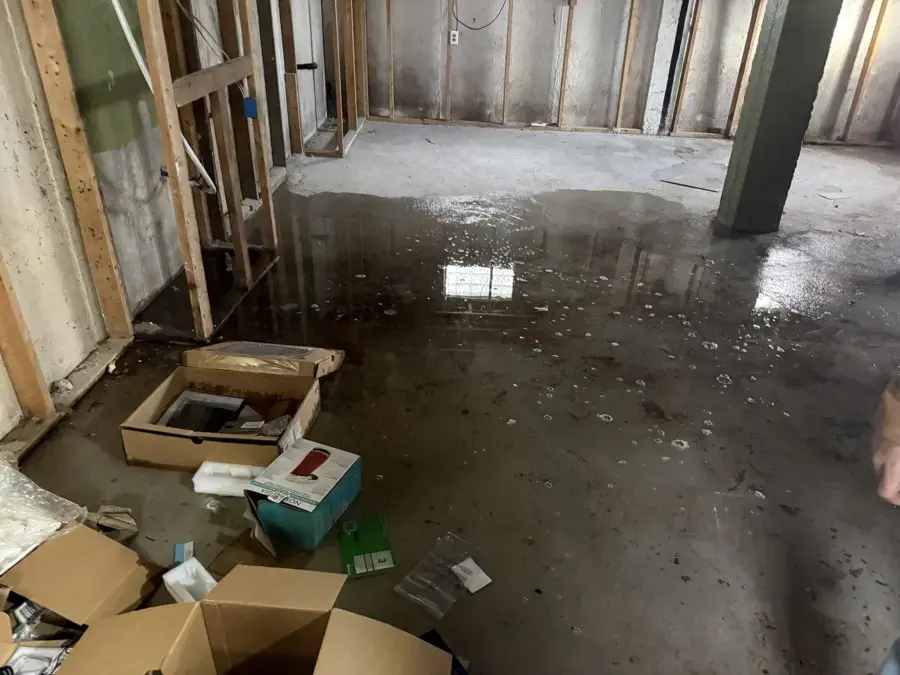
Basement flooding cleanup in Bluffdale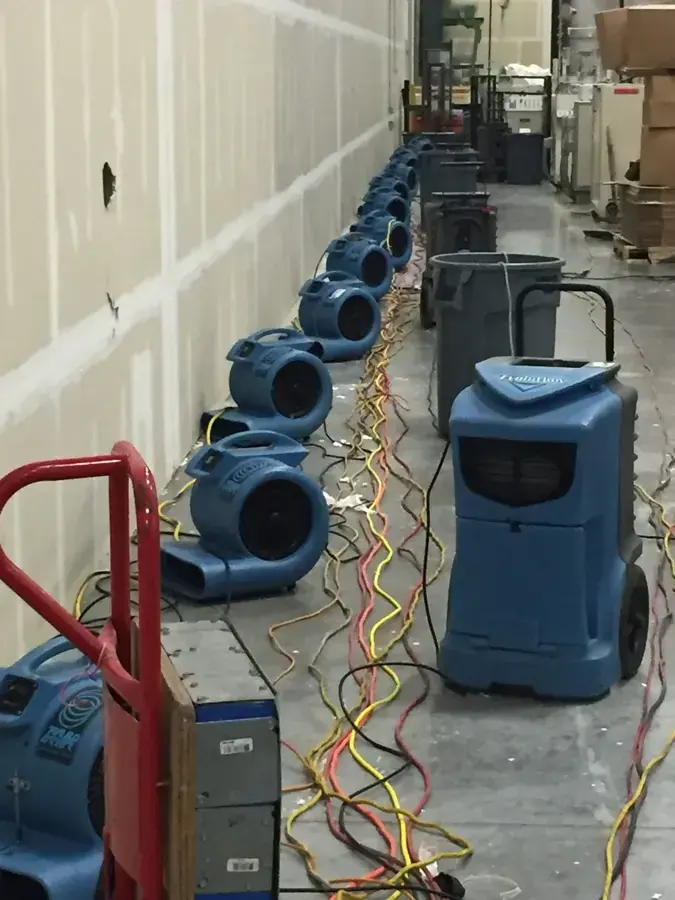
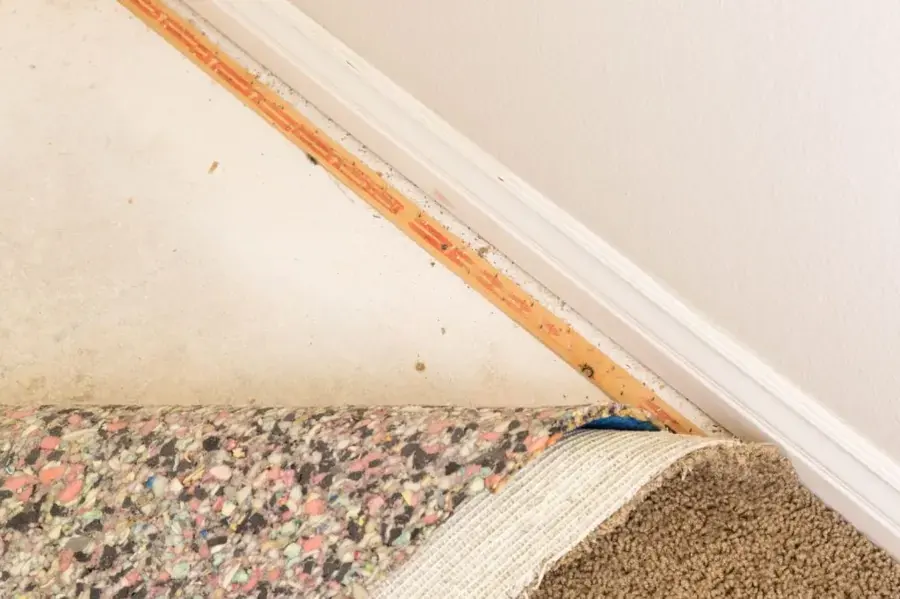
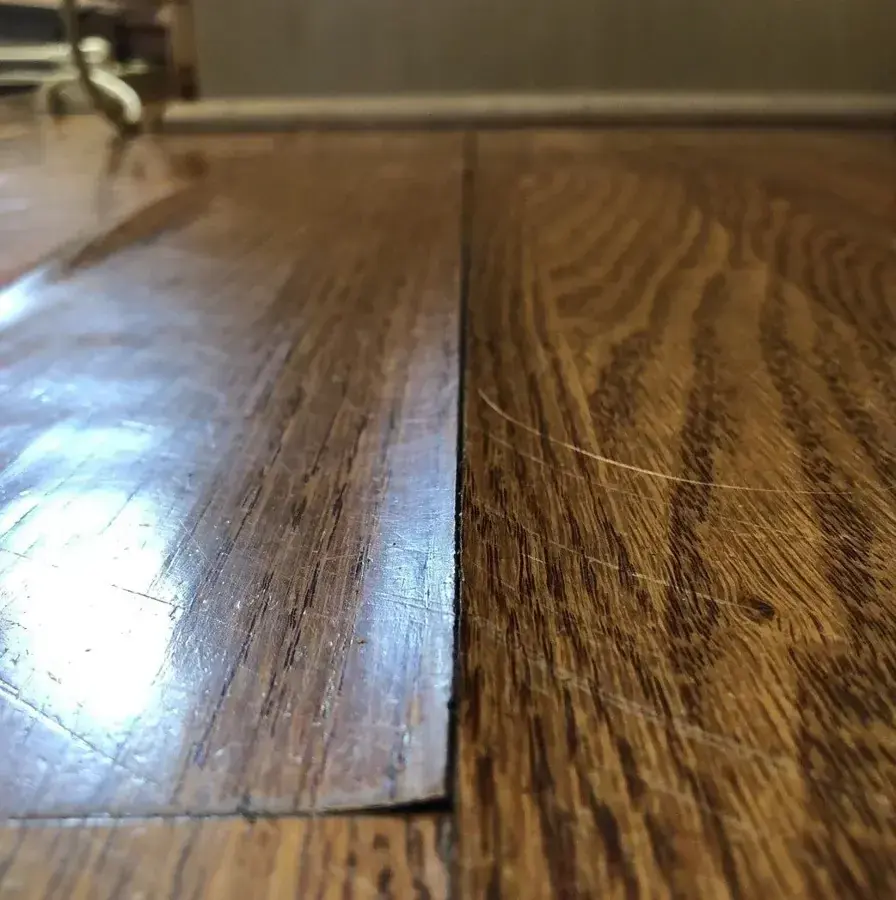
Coverage runs across all of Bluffdale, ZIP 84065, from the Jordan River neighborhoods to the homes along Redwood Road and Porter Rockwell Boulevard.
Tell the drying team which level is wet, what the source was and whether the water is clean, gray or sewage, so the right equipment comes along.
(888) 558-4812Bluffdale water removal, one call awayNeighborhoods near the Jordan River that the City named in its March 2024 warning about basement flooding.
Homes near Rose Creek, which runs only in storms, and along canals like the one that breached on Gun Stock Drive in May 2016.
Newer homes in a city where the median build year is 2011, so indoor leaks matter more than old pipes.
The Gateway Redwood area, schools and industrial sites, where drying is planned around business hours.
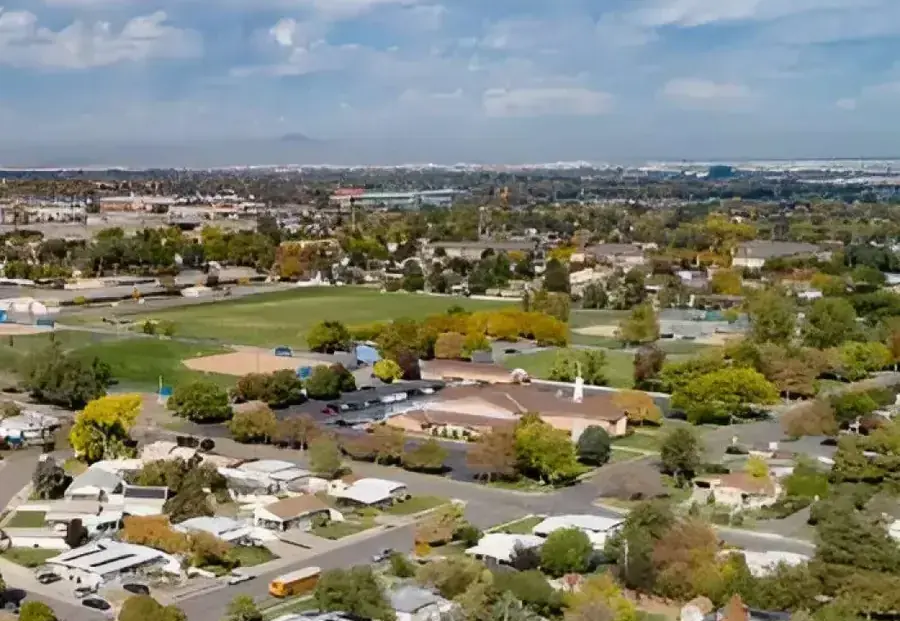
Bluffdale sits at the southern end of the Salt Lake Valley, with the Jordan River flowing north through the city. Its homes are young, with a median build year of 2011.
Dispatch runs around the clock for Bluffdale, and active water counts as urgent at any hour, holidays included. Every hour it sits, water climbs further into drywall, framing and carpet pad.
Close the main valve if you can reach it safely, and turn off power to wet rooms only from a dry panel. Lift belongings off wet floors, take photos, then call.
The City says the areas near Rose Creek and the Jordan River are the most susceptible to flooding. In March 2024 it named Spring View, Parry Farms, Home Front Circle and Sage Estates as places where basement flooding could get worse.
Jordan Basin Improvement District, called South Valley Sewer District until June 2024, says it is responsible only for its main line. Water standing in the cleanout usually points to a blockage in the line from the house to the main, which comes before any sewage backup cleanup.
The sewer district says a standard homeowner policy does not include water and sewer backup coverage, which is usually added as a separate endorsement. Coverage depends on your policy, so check with your own insurer.
Yes. Bluffdale is a member of the National Flood Insurance Program, and the City says anyone in the community can buy a federal flood policy. Standard homeowner policies usually do not cover flooding from outside.
No. The sewer district says sump pumps, French drains and other flood control systems must never be connected to the sanitary sewer. Discharge belongs outside, away from the foundation.
Most contained Class 1 and 2 losses dry in three to five days; concrete, framing and hardwood need longer. The equipment stays until every reading meets the drying goal.
It is the restoration industry's reference standard for water damage. It lays out the three water categories, how much drying equipment each class of loss needs and how to prove a structure is dry.
From the first gallon to the final reading, the crew pulls the water, dries the house to the IICRC S500 standard and records each step for the claim.