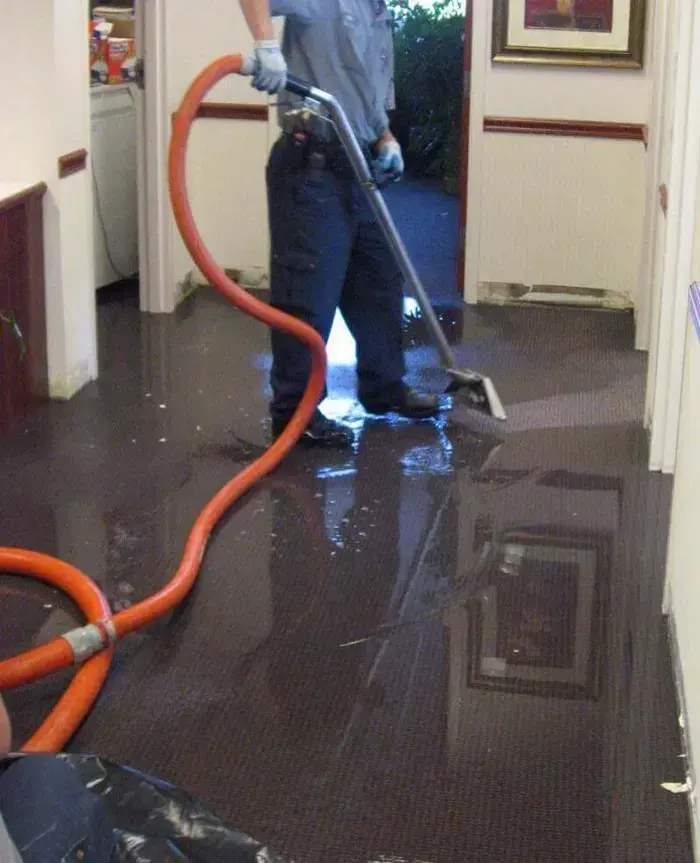
On September 4, 2025, a water main broke near 13400 South and 6400 West in Herriman. The break cut water to the area and closed the road, and ABC4 reported significant basement flooding in two homes downhill from the site.
Key takeaways
- The September 4, 2025 break near 13400 South and 6400 West cut water to the nearby area and closed the road.
- Herriman City said an old pipe fitting gave way on a pipe scheduled for replacement the next week.
- ABC4 reported minor flooding at a nearby power substation and significant basement flooding in two homes downhill from the break.
- Supply water starts clean, but water that has crossed soil, yards and floors can take on contamination, so the category is judged on site.
- A flooded basement needs extraction first, then measured drying, with a record of what was removed.
What happened near 13400 South and 6400 West
A water main break near 13400 South and 6400 West cut water to the nearby area and closed the road on September 4, 2025. Herriman City said an old pipe fitting gave way on a pipe that was scheduled for replacement the next week.
ABC4 reported minor flooding at a nearby power substation and significant basement flooding in two homes downhill from the site.
It was not the only street pipe problem on that road. The City reported another damaged and leaking water pipe on 13400 South, at Rosecrest Road, in July 2023.
The City runs its own Water Department, which maintains the wells, pumps and chemical injection systems behind the pipes under the street.
Why a street main floods downhill basements
A street main is a much larger pipe than the supply pipe inside a house, and when it fails the water spills onto the surface. It follows the slope along the street and across yards.
Homes below the break take the water at their lowest openings, which fits the report of two flooded downhill basements.
The surface route
Water running over the ground looks for the nearest opening below the level of the yard.
- Window wells: below-grade glass sits where yard water collects first.
- Walkout doors and stairwells: the threshold is often the lowest point on the property.
- Garage entries: a driveway that slopes toward the house sends water straight in.
The underground route
Water that does not run off soaks into the soil beside the foundation. Wet soil presses on the wall, and the water works through whatever gaps the wall already has.
- Foundation cracks: even a hairline crack can pass water once the soil is saturated.
- Utility openings: gaps where pipes and cables pass through the foundation wall.
- Floor joints: the seam where the basement floor meets the wall is a common place for seepage.
Clean water that does not stay clean
Restoration crews sort water into categories because the category decides what is dried and what is thrown away.
Where the water starts
Supply water from a main is clean when it leaves the pipe. That is Category 1 water, the least risky kind.
Where it ends up
After it crosses soil, lawns, landscaping material and a basement floor, it can take on contamination. The crew judges the category on site from what the water crossed and how long it sat.
What the category means for materials
Each category sends a material down a different path.
- Clean water caught early: carpet and pad can often be dried in place.
- Water that crossed soil or sat for long: pad, insulation and lower drywall that soaked it up are removed.
- Hard materials: concrete and framing are dried, or cleaned and treated first when the water was contaminated.
The first steps in a flooded basement
Water that came from outside the house calls for the same careful order every time. The street repair is a job for the utility, and the water already inside is a job for the cleanup crew.
- Stay out: do not enter standing water near outlets, a panel or appliances.
- Power: leave it off in the wet area until an electrician has checked it.
- Photographs: capture the street, the path of the water and the damage before anything moves.
- Contents: lift small valuables and furniture legs out of the water.
- Extraction: call early, before the pad and walls soak up more.
Floors above the basement
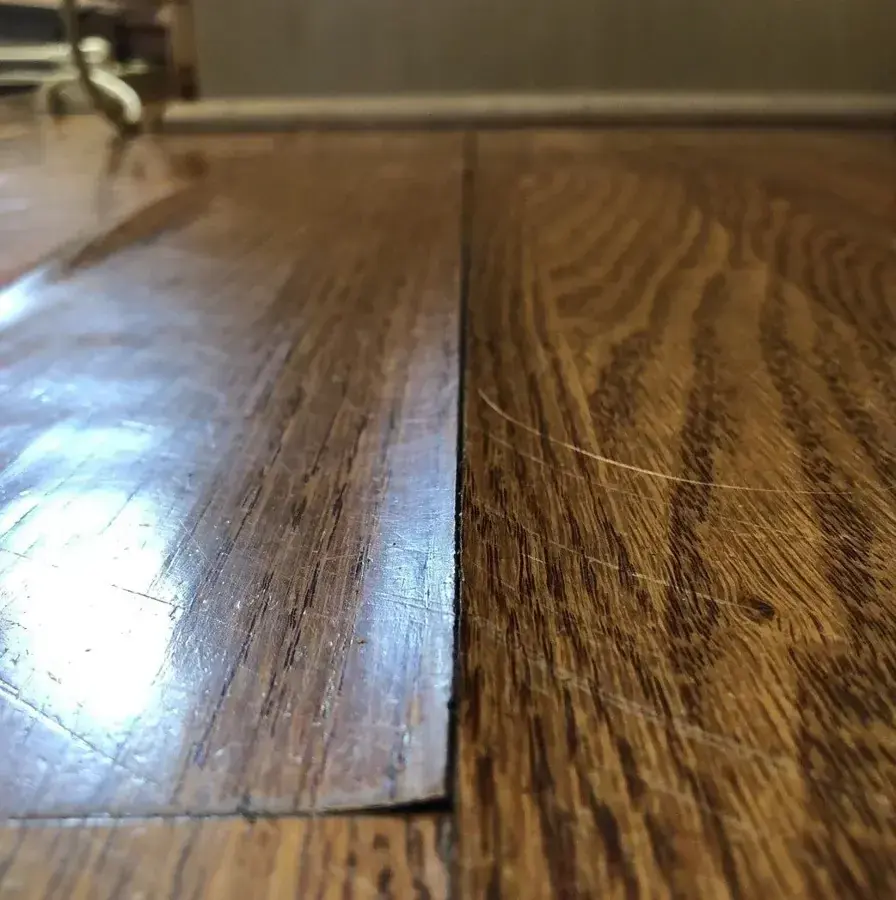
Hardwood and engineered flooring on the main level can cup and lift at the seams when moisture wicks up from below. Those floors get moisture readings too, even when the visible water stayed downstairs.
Extraction and drying after a main break
Water extraction is the first step, and basement flooding cleanup covers the rooms that follow. Each stage has a clear order, and skipping ahead leaves wet material behind.
- Extraction: pumps and extractors take the standing water off carpet and concrete.
- Removal: wet pad, lower drywall and baseboards come out where readings show they will not dry in place.
- Drying: air movers and dehumidifiers run through the basement, and moisture readings are logged each day.
- Verification: equipment stays until the framing and concrete read dry, because mold can begin to grow after 24 to 48 hours of dampness.
After the water comes back on
A main break shuts off water to the area, and pressure returns to every pipe in the house when service is restored. A worn hose or fitting can fail at that moment, so a quick check pays off.
A leak found early is a burst pipe cleanup of one wall instead of a floor.
- Taps: open a faucet or two slowly to let air out, and run cold water until it clears.
- Under sinks: look for drips behind cabinets, the washer, the dishwasher and the water heater.
- Ceilings: check the ceiling below any upstairs bath or laundry.
- Shutoff: keep the main valve clear and easy to reach.
Records that help afterward
A clear record shortens every conversation that follows a flood, whether it is with the utility, a plumber or the cleanup crew. More on local services is on the Herriman water damage restoration page.
- Photos of the street, the water path and the damage.
- The date and time the water was noticed.
- A list of materials removed and the readings taken each day.
- Notes on any contact with the City's Water Department.
Questions
What caused the September 2025 break?
Herriman City said an old pipe fitting gave way on a pipe that was scheduled for replacement the next week. The reports give no other cause.
Why were the flooded homes downhill from the break?
ABC4 reported significant basement flooding in two homes downhill from the site. Water follows the slope, so the lowest openings take it first.
Is water from a main break safe to leave in a basement?
No. Even clean supply water soaks pad, drywall and framing, and it can take on contamination from the soil and floors it crosses.
Does every main break flood a basement?
No. The September 2025 reports describe two flooded basements. Where the water goes depends on the slope and on the openings at the low points of each property.
What should be checked inside the house once water service returns?
Faucets, the spaces under sinks, the washer and dishwasher connections and the water heater. A worn hose or fitting can fail when pressure returns.
How long can a basement stay wet before problems start?
Mold can begin to grow after 24 to 48 hours of dampness, so extraction should start as soon as it is safe to enter.